First Crossing (1942-1967) Coin List
Brazil | 10 centavos (Getulio Vargas)
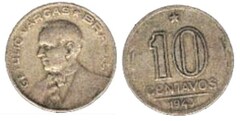
Brazil | 10 centavos (Getulio Vargas)
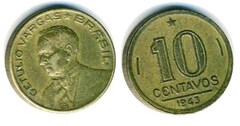
Brazil | 10 centavos (Getulio Vargas)
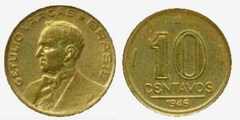
Brazil | 20 centavos (Getulio Vargas)
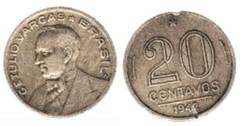
Brazil | 20 centavos (Getulio Vargas)
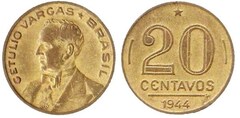
Brazil | 50 centavos (Getulio Vargas)
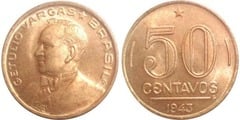
Brazil | 50 centavos (Getulio Vargas)
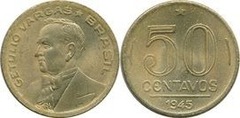
Brazil | 1 cruzeiro
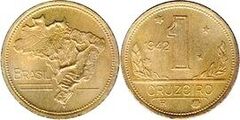
Brazil | 2 cruzeiros
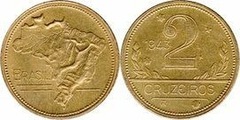
Brazil | 5 cruzeiros
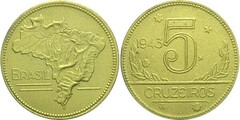
Brazil | 10 centavos (José Bonifácio)
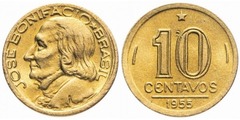
Brazil | 20 centavos (Ruy Barbosa)
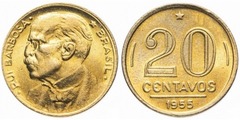
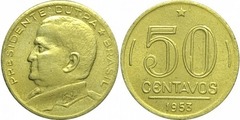
Brazil | 50 centavos (Eurico Gaspar Dutra)
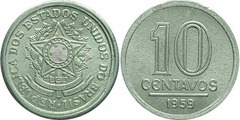
Brazil | 10 centavos
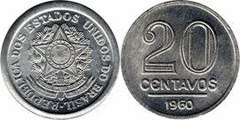
Brazil | 20 centavos
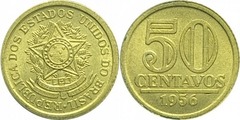
Brazil | 50 centavos
Brazil | 1 cruzeiro
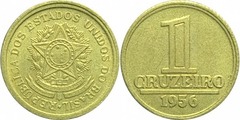
Brazil | 2 cruzeiros
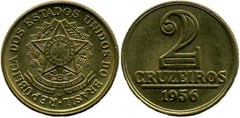
Brazil | 50 centavos
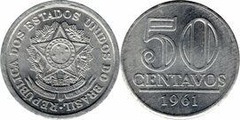
Brazil | 1 cruzeiro
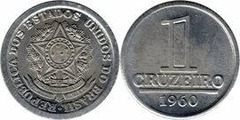
Brazil | 2 cruzeiros
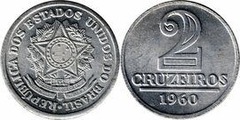
Brazil | 10 cruzeiros
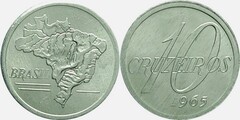
Brazil | 20 cruzeiros
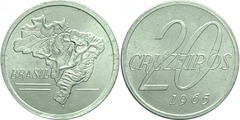
Brazil | 50 cruzeiros
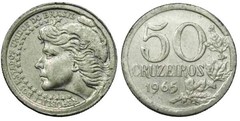
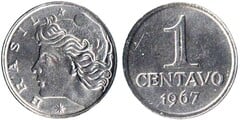
Brazil | 1 centavo
The most valuable and popular coins
The most valuable First Crossing (1942-1967) coins and sought after by collectors according to Foronum statistics are the following:

Historical information
The First Cruceiro was the official currency of Brazil from 1942 to 1967, marking a significant period in the country's economic history. This monetary unit replaced the old Réis and was introduced as part of a monetary reform aimed at simplifying the Brazilian financial system.
Characteristics and design of the First Cruceiro
The First Cruceiro was divided into 100 centavos and was issued in coin and banknote denominations. The coins were minted in a variety of materials, including bronze, aluminum and cupronickel. The coin designs featured national symbols and historical figures, such as the bust of José Bonifácio on the 50 centavo coin and the effigy of President Getúlio Vargas on the 1 cruceiro coin. The banknotes, meanwhile, featured portraits of important Brazilian personalities and scenes representing the country's wealth and diversity.
Economic impact and legacy of the First Cruceiro
During its circulation, the First Cruceiro faced significant economic challenges, including periods of high inflation that eroded its value. Despite these obstacles, this currency played a crucial role in the modernization of the Brazilian economy and laid the groundwork for future monetary reforms. The First Cruceiro was eventually replaced by the Cruzeiro Novo in 1967, as part of an effort to combat inflation and stabilize the economy. The coins and banknotes of the First Cruceiro are now valuable collector's items, prized by numismatists and historians as tangible testimonies to a formative period in Brazil's economic history.