Third Crossing (1990-1993) Coin List
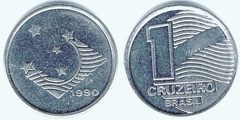
Brazil | 1 cruzeiro
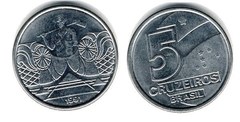
Brazil | 5 cruzeiros
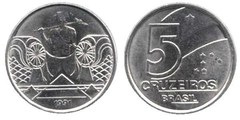
Brazil | 5 cruzeiros
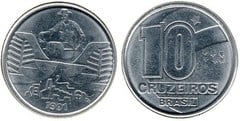
Brazil | 10 cruzeiros
Brazil | 10 cruzeiros
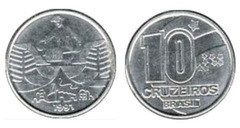
Brazil | 50 cruzeiros
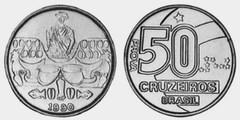
Brazil | 50 cruzeiros
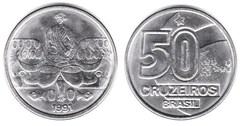
Brazil | 500 cruzeiros (Encounter of Two Worlds)
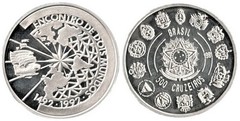
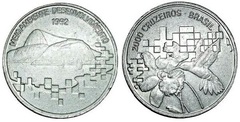
Brazil | 2.000 cruzeiros (UN Environment and Development Conference)
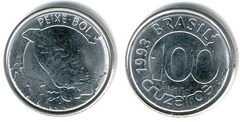
Brazil | 100 cruzeiros
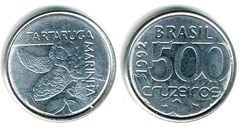
Brazil | 500 cruzeiros
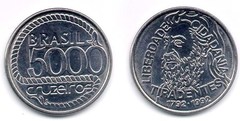
Brazil | 5.000 cruzeiros (200th Anniversary of the Death of Tiradentes)
Brazil | 1.000 cruzeiros
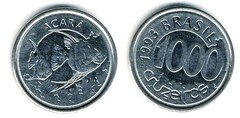
The most valuable and popular coins
The most valuable Third Crossing (1990-1993) coins and sought after by collectors according to Foronum statistics are the following:

Historical information
The Tercer Cruceiro was Brazil's official currency from 1990 to 1993, during a period of high inflation and economic reforms. This monetary unit was introduced as part of the Collor Plan, an ambitious economic program implemented by President Fernando Collor de Mello to combat hyperinflation and stabilize the Brazilian economy.
Characteristics and denominations
The Tercer Cruceiro was divided into 100 centavos and issued in a variety of denominations to cope with rapid devaluation. The Tercer Cruceiro coins included values of 1, 5, 10 and 50 cruceiros, minted in stainless steel. These pieces featured designs reflecting Brazilian flora and fauna, as well as national symbols. As inflation accelerated, high denomination banknotes were introduced, reaching up to 500,000 cruceiros. The rapid loss of value of the currency made the lower denominations quickly obsolete, leading to frequent changes in the production of coins and banknotes.
Economic impact and substitution
Despite the government's efforts, the Tercer Cruceiro failed to contain the runaway inflation affecting Brazil. The currency quickly lost value, leading to its replacement by the Cruceiro Real in August 1993. During its short existence, the Tercer Cruceiro witnessed one of the highest inflation rates in Brazil's history, reaching over 2000% annually. This extreme economic situation had a profound impact on the daily lives of Brazilians, who were forced to constantly adapt to changes in the value of their money. The experience of the Tercer Cruceiro left an indelible mark in Brazil's economic memory and contributed to the implementation of more drastic measures that would eventually lead to the introduction of the Real in 1994, finally achieving monetary stability.