Cyprus Pound Coin List
Cyprus | 1/4 piastre (Queen Victoria)
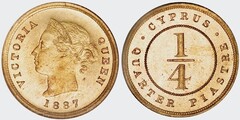
Cyprus | 1/4 piastre (Queen Victoria)
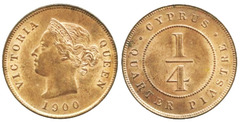
Cyprus | 1/2 piastre (Queen Victoria)
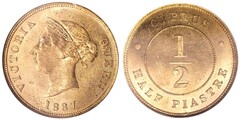
Cyprus | 3 piastres (Queen Victoria)
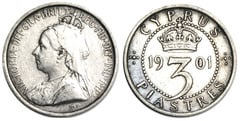
Cyprus | 4 1/2 piastres (Queen Victoria)
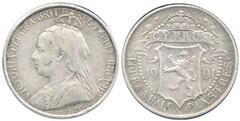
Cyprus | 9 piastres (Queen Victoria)
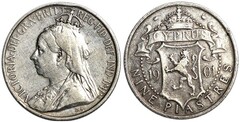
Cyprus | 18 piastres (Queen Victoria)
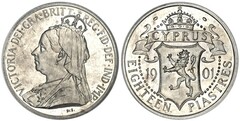
Cyprus | 4 y 1/2 piastres (George V)
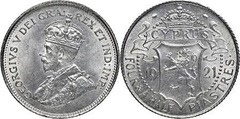
Cyprus | 1/2 piastre (George V)
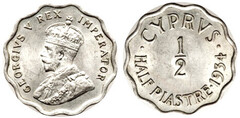
Cyprus | 1 piastre (George V)

Cyprus | 1/2 piastre (George VI)
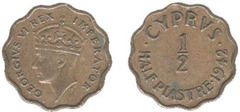
Cyprus | 1 piastre (George VI)
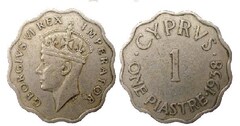
Cyprus | 1 piastre (George VI)
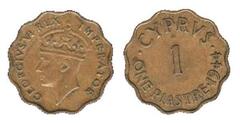
Cyprus | 1 shilling (George VI)
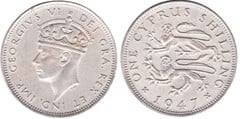
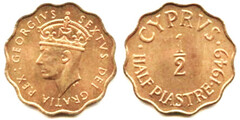
Cyprus | 1/2 piastre (George VI)
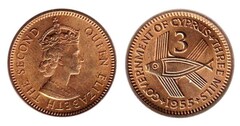
Cyprus | 3 mils (Elizabeth II)
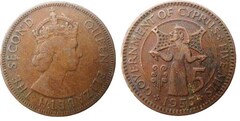
Cyprus | 5 mils (Elizabeth II)
Cyprus | 25 mils (Elizabeth II)
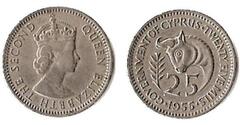
Cyprus | 50 mils (Elizabeth II)
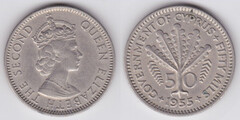
Cyprus | 100 mils (Elizabeth II)
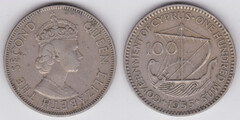
Cyprus | 1 mil
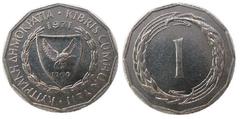
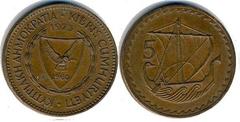
Cyprus | 5 mils
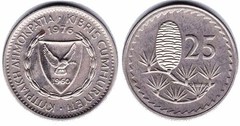
Cyprus | 25 mils
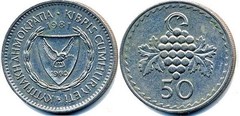
Cyprus | 50 mils
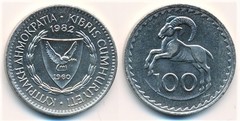
Cyprus | 100 mils
The most valuable and popular coins
The most valuable Cyprus Pound coins and sought after by collectors according to Foronum statistics are the following:

Historical information
The Cyprus Pound was the official currency of Cyprus from 1879 until 2008, when it was replaced by the Euro. During this period, the Cyprus pound played a crucial role in the island's economy and reflected its rich history and culture through its various coin and banknote designs.
History and evolution of the Cypriot Pound
The Cypriot Pound was introduced in 1879 during the British rule of the island, replacing the Ottoman kurus. Initially, it was pegged to the pound sterling on a one-to-one parity basis. Throughout its history, the currency underwent several changes, including decimalization in 1955, which divided the pound into 1000 mils. In 1983, a new subdivision was introduced, with 100 cents per pound. The Cypriot pound coins featured designs that reflected the cultural and historical heritage of Cyprus, including motifs from ancient Greece, mythology and local fauna.
Emblematic coins and the changeover to the euro
Among the most emblematic coins of the Cypriot Pound were the 1, 2 and 5 cent pieces, which featured images of ancient ships, symbolizing the island's maritime importance. The higher denomination coins, such as the 20 and 50 cent coins, featured historical motifs such as the Temple of Aphrodite. In the last years of its circulation, the Cyprus pound faced economic challenges and pressures to join the euro zone. On January 1, 2008, Cyprus officially adopted the euro, marking the end of more than a century of Cypriot Pound history. During a brief transition period, both currencies circulated simultaneously, allowing Cypriots to gradually adapt to the new European currency.