
Second Republic (1848-1852) Coin List
France | 1 centime

France | 5 francs
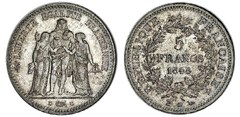
France | 20 centimes
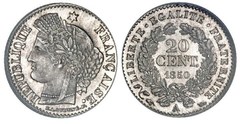
France | 1 franc
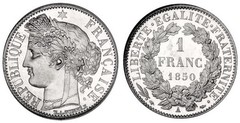
France | 2 francs
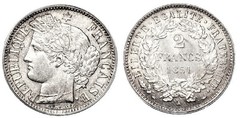
France | 5 francs
France | 20 francs
The most valuable and popular coins
The most valuable Second Republic (1848-1852) coins and sought after by collectors according to Foronum statistics are the following:

Historical information
The Second French Republic, established in 1848 after the fall of the July Monarchy, marked a period of significant change in French history. This brief but intense period, which lasted until 1852, saw important political and social reforms, as well as changes in the country's monetary system.
Historical and political context
The Second Republic emerged in the midst of a revolutionary wave that shook Europe in 1848. In France, this led to the abdication of King Louis-Philippe I and the establishment of a provisional government. This new government implemented important reforms, such as universal male suffrage and the abolition of slavery in the French colonies. However, the republic faced significant challenges, including tensions between political factions and economic problems. The election of Louis Napoleon Bonaparte as president in December 1848 marked a shift to a more conservative government, which would eventually lead to the establishment of the Second French Empire in 1852.
Monetary system and numismatics
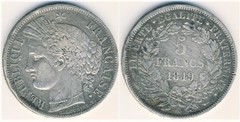
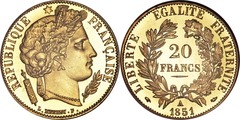
During the Second Republic, notable changes occurred in the French monetary system. The new official currency was the franc, which had already been in use since the French Revolution. However, new designs were introduced that reflected republican ideals. One of the most emblematic coins of this period was the "20 gold franc", which featured on its obverse side the figure of Ceres, the Roman goddess of agriculture, symbolizing abundance and the republic. On the reverse, the denomination was shown surrounded by a laurel and oak wreath. Other important coins included the "5 franc silver", which also featured allegorical republican motifs. These coins not only served as a medium of exchange, but also represented the values and ideals of the new republic, marking a clear break with previous monarchical designs.