
Prussia Coin List
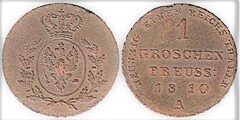
Germany-States | 1 groschen
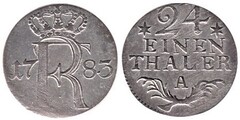
Germany-States | 1/24 thaler
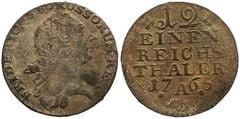
Germany-States | 1/12 thaler (Frederick II)
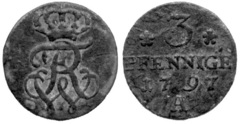
Germany-States | 3 pfennig
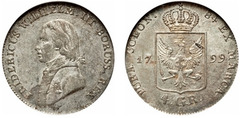
Germany-States | 4 groschen
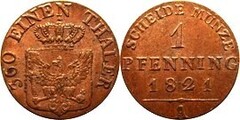
Germany-States | 1 pfenning
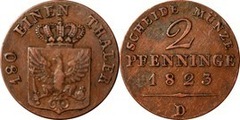
Germany-States | 2 pfenning
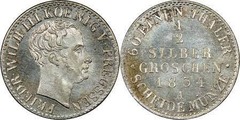
Germany-States | 1/2 silbergroschen
Germany-States | 1 silbergroschen
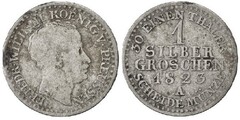
Germany-States | 1/6 thaler (Frederick William IV)
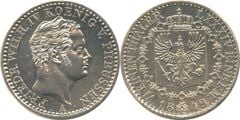
Germany-States | 2 1/2 silber groschen
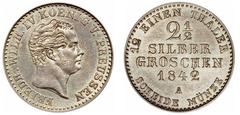
Germany-States | 1 pfenning
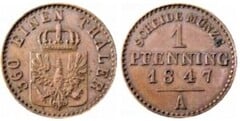
Germany-States | 2 pfennig
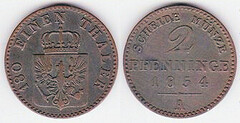
Germany-States | 3 pfenning
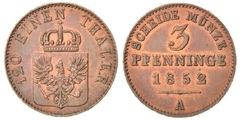
Germany-States | 4 pfennig
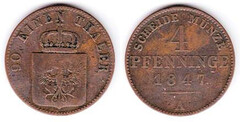
Germany-States | 1 groschen
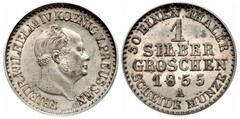
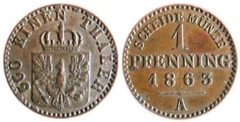
Germany-States | 1 pfennig
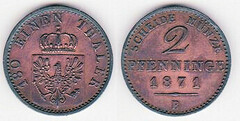
Germany-States | 2 pfenninge
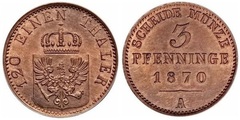
Germany-States | 3 pfenninge
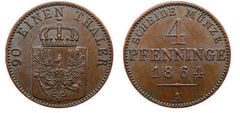
Germany-States | 4 pfenninge
Germany-States | 1/2 groschen
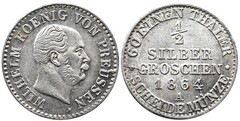
Germany-States | 1 groschen
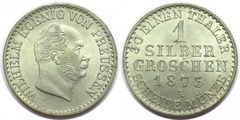
Germany-States | 2 mark
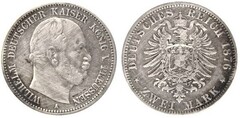
Germany-States | 20 mark
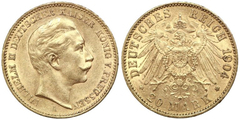
Germany-States | 2 mark
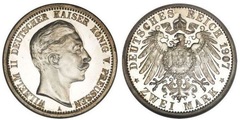
The most valuable and popular coins
The most valuable Prussia coins and sought after by collectors according to Foronum statistics are the following:

Historical information
The Prussian era in Germany was a crucial period in European history, marked by the rise and consolidation of Prussian power. This German state, which would eventually lead the unification of Germany, left a significant mark in various aspects, including numismatics.
The rise of Prussia and its monetary influence.
Prussia emerged as a dominant power in the 18th century under the reign of Frederick II the Great. During this time, the Prussian monetary system underwent major changes. The silver Taler became the primary currency, reflecting the growing wealth and power of the state. These coins often featured portraits of Prussian rulers and national symbols such as the Prussian eagle. The standardization of the monetary system was crucial to Prussia's economic development, facilitating trade and strengthening its position in Europe.
German unification and the evolution of the currency
With the unification of Germany in 1871 under Prussian leadership, the monetary system underwent another significant transformation. The Deutsche Mark replaced the various regional currencies, including the Prussian Taler. This new unified monetary system symbolized the consolidation of German power and Prussian influence. Coins of this era often featured motifs celebrating unification, such as the portrait of Kaiser Wilhelm I or the German imperial eagle. The transition to the Mark not only reflected political change, but also facilitated the economic integration of the new German Empire, laying the foundation for its rapid industrial and economic development in the following decades.