Monetary Reform (1947-1947) Coin List
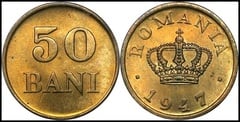
Romania | 50 bani
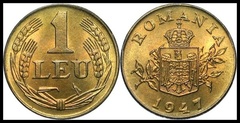
Romania | 1 leu
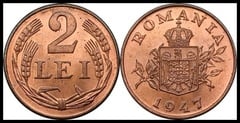
Romania | 2 lei
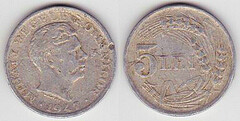
Romania | 5 lei (Mihai I)
Romania | 10.000 lei (Mihai I)
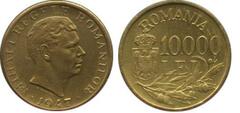
The most valuable and popular coins
The most valuable Monetary Reform (1947-1947) coins and sought after by collectors according to Foronum statistics are the following:

Historical information
The 1947 Monetary Reform in Romania was a crucial event in the country's economic history, marking the beginning of a new monetary era under the communist regime. This reform process had a significant impact on Romanian society and on the national monetary system, introducing drastic changes in the coins and banknotes in circulation.
Historical context and objectives of the reform
The monetary reform of 1947 took place in a context of post-war and political transition to communism. The government, led by the Romanian Communist Party, sought to stabilize the economy and eliminate the hyperinflation that had affected the country during and after World War II. In addition, the reform aimed to centralize economic control and facilitate the implementation of socialist economic policies. This process involved the withdrawal of the old leu from circulation and the introduction of a new currency called leu, with an exchange rate of 20,000 old lei for 1 new leu.
Currency changes and their impact
The monetary reform brought with it the introduction of new coins and banknotes with designs reflecting communist ideology. Coins minted during this period included denominations of 1, 2, 5 and 20 lei, made of aluminum and cupro-nickel alloys. These new pieces featured socialist symbols such as the coat of arms of the People's Republic of Romania and motifs glorifying labor and industry. The implementation of the reform had a significant impact on the population, as many citizens saw their savings drastically reduced due to the devaluation. In addition, the monetary reform facilitated the collectivization of agriculture and the nationalization of industry, consolidating the state's economic control over Romanian society.