Glarus Coin List
Swiss cantons | 1 schilling / 3 rappen
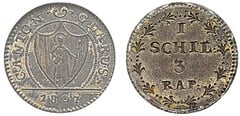
Swiss cantons | 3 schillings / 9 rappen
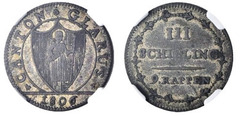
Swiss cantons | 15 Schillings / 45 Rappen
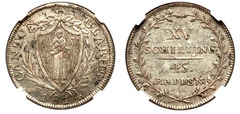
Swiss cantons | 1 schilling / 3 rappen
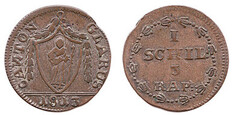
Swiss cantons | 3 schillings / 9 rappen
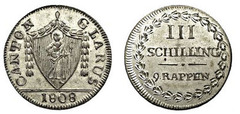
Swiss cantons | 1 schilling / 3 rappen
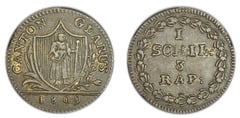
Swiss cantons | 3 schillings / 9 rappen
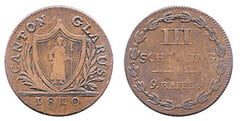
The most valuable and popular coins
The most valuable Glarus coins and sought after by collectors according to Foronum statistics are the following:

Historical information
The monetary history of Glarus, one of the original cantons of Switzerland, is fascinating and reflects the political and economic evolution of the region. From the Middle Ages until the 19th century, Glarus minted its own coins, contributing to the rich Swiss numismatic tradition.
Early coinage and monetary development
The first coins of Glarus date back to the 15th century, when the canton obtained the right of minting. Initially, mainly low-value silver coins were issued, such as Schillings and Rappen, which were essential for local trade. As Glarus gained economic importance, especially thanks to its textile industry, the variety and quality of its coins improved. In the 17th century, the canton began minting higher denomination coins, including silver Thalers, which typically displayed the coat of arms of Glarus: St. Fridolin, the canton's patron saint.
Monetary unification and numismatic legacy
The monetary system of Glarus, like that of other Swiss cantons, underwent significant changes in the 19th century. The Federal Constitution of 1848 centralized coinage, ending the era of individual cantonal coins. Nevertheless, the numismatic legacy of Glarus lives on in museum collections and among numismatic enthusiasts. Glarus coins are prized not only for their historical value, but also for their unique craftsmanship and design. These pieces offer a fascinating window into Switzerland's economic and cultural history, reflecting the autonomy and distinctive identity of the cantons prior to the country's monetary unification.