Graubunden Coin List
Swiss cantons | 1/6 batzen
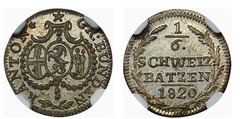
Swiss cantons | 1/2 batzen
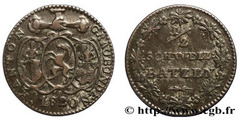
Swiss cantons | 1 batzen
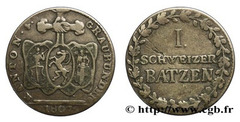
Swiss cantons | 5 batzen
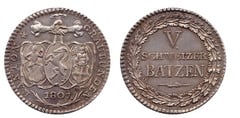
Swiss cantons | 1/2 batzen
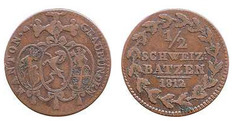
Swiss cantons | 16 franken
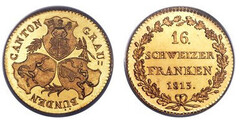
Swiss cantons | 1 batzen
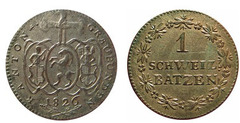
Swiss cantons | 10 batzen
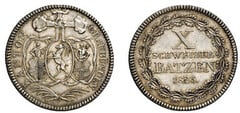
Swiss cantons | 1/2 batzen
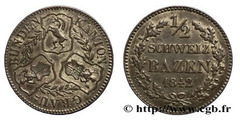
Swiss cantons | 1 batzen
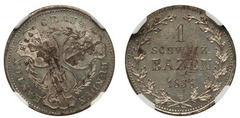
Swiss cantons | 1 batzen
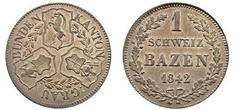
Swiss cantons | 1/6 batzen
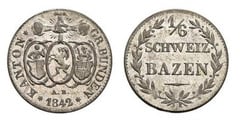
The most valuable and popular coins
The most valuable Graubunden coins and sought after by collectors according to Foronum statistics are the following:

Historical information
The canton of Graubünden, located in eastern Switzerland, has a rich numismatic history dating back to the time of the League of the House of God. During this period, Graubünden enjoyed considerable autonomy and minted its own coins, reflecting its unique status within the Swiss Confederation.
The League of the House of God and its mints
The League of the House of God, formed in 1367, was one of the three leagues that made up what we know today as Graubünden. This alliance of Alpine communities began minting its own coins in the 16th century, mainly in the city of Chur. The most common coins were bluzger, small silver pieces that circulated widely in the region. These coins often featured religious and heraldic symbols, such as the cross of the League of the House of God or the coat of arms of Chur. The production of its own coins was a clear manifestation of the region's political and economic autonomy, distinguishing it from other Swiss cantons.
Transition and numismatic legacy
With the formation of the Helvetic Republic in 1798, Graubünden lost its right to mint coins. However, the legacy of its coinage survived in the collective memory and in numismatic collections. Graubünden coins from this period are now highly valued pieces by collectors, not only for their rarity but also for their historical significance. They represent tangible testimony to the complex political history of Switzerland and the autonomy enjoyed by the different regions before the unification of the Swiss monetary system. Today, these coins are displayed in museums such as the Rätisches Museum in Chur, where visitors can appreciate the rich numismatic heritage of Graubünden and its role in the formation of modern Switzerland.