Vaud Coin List
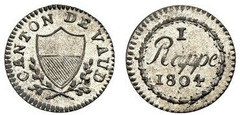
Swiss cantons | 1 rappen
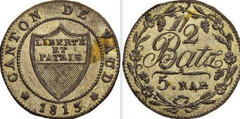
Swiss cantons | ½ batzen
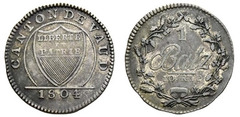
Swiss cantons | 1 batzen
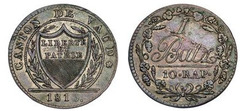
Swiss cantons | 1 batzen
Swiss cantons | 5 batzen
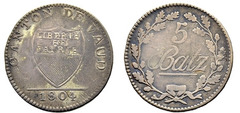
Swiss cantons | 10 batzen
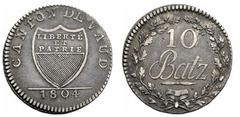
Swiss cantons | 5 batzen
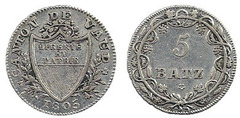
Swiss cantons | 1 rappen
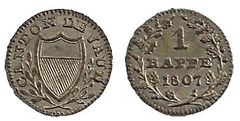
Swiss cantons | 5 batzen
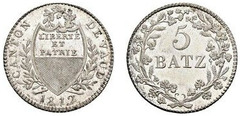
Swiss cantons | 2½ rappen
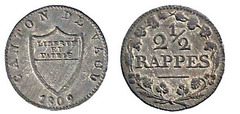
Swiss cantons | 10 batzen
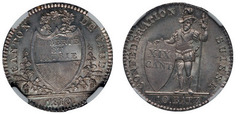
Swiss cantons | 20 batzen
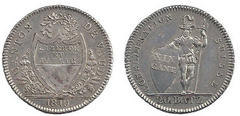
Swiss cantons | 40 batzen
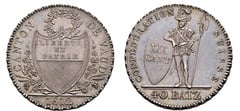
Swiss cantons | 2½ rappen
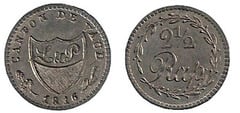
Swiss cantons | 10 batzen
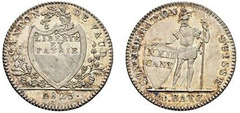
Swiss cantons | 1 batzen
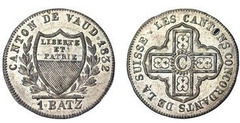
Swiss cantons | 5 batzen
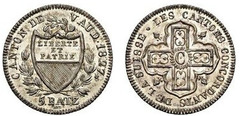
Swiss cantons | 1 franc
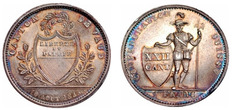
Swiss cantons | 39 batz (Stamp)
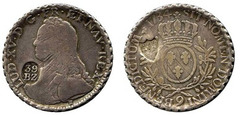
Swiss cantons | 39 batz (Stamp)
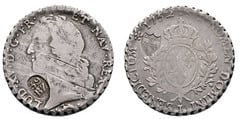
Swiss cantons | 39 batz (Stamp)
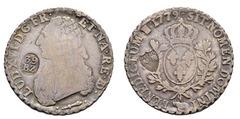
The most valuable and popular coins
The most valuable Vaud coins and sought after by collectors according to Foronum statistics are the following:

Historical information
The canton of Vaud in Switzerland has a rich numismatic history dating back to the Middle Ages. Over the centuries, this region underwent political and economic changes that were reflected in its coinage, from its membership in the Duchy of Savoy to its independence and subsequent incorporation into the Swiss Confederation.
Coins of Vaud under Savoy domination
From the 13th to the 16th century, Vaud was under the control of the Duchy of Savoy, which significantly influenced its monetary system. During this period, coins such as the denarius and the gros circulated, minted at local mints such as Nyon and Lausanne. These pieces often bore heraldic symbols of Savoy, such as the white cross, along with Latin inscriptions. The quality and silver content of these coins varied according to the economic policies of the duchy, reflecting fluctuations in the region's trade and finances.
Coinage of Vaud as an independent canton
After gaining its independence in 1798, Vaud began issuing its own coins as a sovereign canton. This period, although brief, produced some of the most interesting pieces for collectors. Copper and silver batzens and rappen were minted, featuring the canton's coat of arms: green and white stripes with the inscription "LIBERTÉ ET PATRIE". The Lausanne mint was especially active during this time, producing coins that reflected Vaud's new political identity. However, with Swiss monetary unification in 1850, these local mints ceased, giving way to the Swiss franc as the national currency, although Vaud's numismatic legacy remains a fascinating chapter in Swiss monetary history.