Euro Austria Coin List
Austria | Octopus

Austria | 1 euro cent
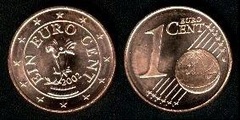
Austria | 2 euro cent
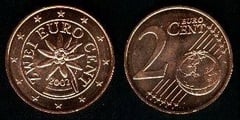
Austria | 5 euro cent
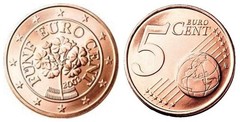
Austria | 10 euro cent
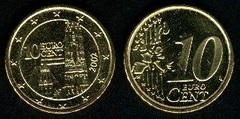
Austria | 20 euro cent
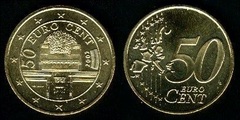
Austria | 50 euro cent
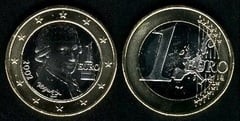
Austria | 1 euro
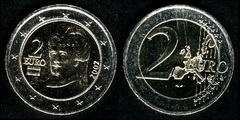
Austria | 2 euro
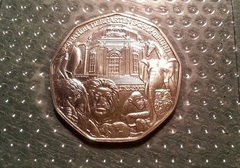
Austria | 5 euro (Schoenbrunn Zoo)
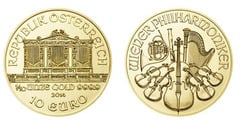
Austria | 10 euro (Vienna Philharmonic)
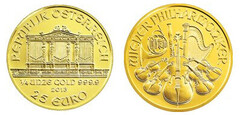
Austria | 25 euro (Vienna Philharmonic)
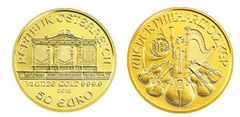
Austria | 50 euro (Vienna Philharmonic)
Austria | 100 euro (Vienna Philharmonic)
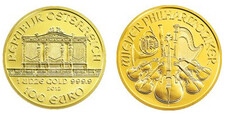
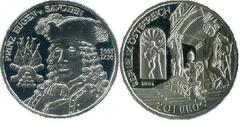
Austria | 20 euro (Baroque Period)
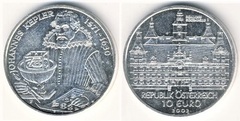
Austria | 10 euro (Johannes Kepler-Eggenberg Palace)
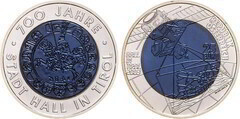
Austria | 25 euro (700th Anniversary of the Town Hall of Tirol)
Austria | 10 euro (Hof Castle)
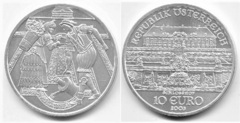
Austria | 20 euro (Beidermeier Period)
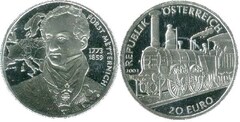
Austria | 5 euro (Hydropower)
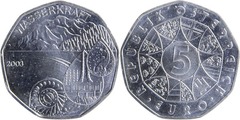
Austria | 10 euro (Schönbrunn Castle)
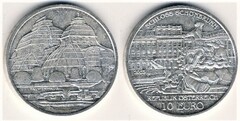
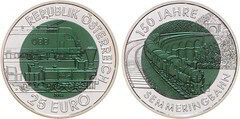
Austria | 25 euro (150th Anniversary of the Semmering Railroad)
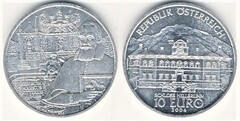
Austria | 10 euro (Marcus Sitticus - Hellbrunn Palace)
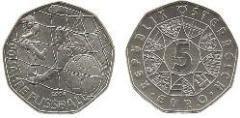
Austria | 5 euro (100th Anniversary of Soccer)
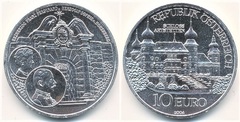
Austria | 10 euro (Franz Ferdinand and Sophie-Castle of Artstetten)
The most valuable and popular coins
The most valuable Euro Austria coins and sought after by collectors according to Foronum statistics are the following:

Historical information
The adoption of the euro in Austria in 2002 marked a significant milestone in the country's monetary history. This change brought with it a new series of coins that reflected Austrian identity and culture, while integrating into the European monetary system.
Design and characteristics of Austrian euro coins
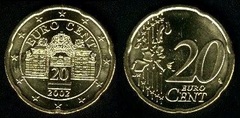
Austrian euro coins feature unique designs on their national sides, created by renowned local artists. The 1, 2 and 5 cent series depict typical Alpine flowers, while the 10, 20 and 50 cent coins showcase important Viennese buildings such as the Belvedere Palace and the Secession. The 1 and 2 euro coins pay tribute to historical figures, with Wolfgang Amadeus Mozart on the 1 euro coin and peace activist Bertha von Suttner on the 2 euro coin. These coins not only serve as a means of payment, but also act as cultural ambassadors for Austria throughout the euro zone.
Economic and social impact of the euro in Austria
The introduction of the euro in Austria had profound economic and social implications. On the one hand, it facilitated trade and travel within the European Union, eliminating the need for currency exchange. On the other hand, it posed an initial challenge for citizens in terms of adapting to the new currency and price perception. However, in the long term, the euro has contributed to Austria's economic stability and European integration. The country's participation in the euro zone has strengthened its position in international markets and provided a platform for further economic cooperation with other EU member states.