
British India Coin List
British India | 1 anna
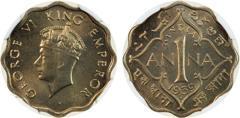
British India | 1 anna
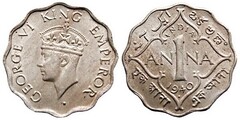
British India | 1 anna
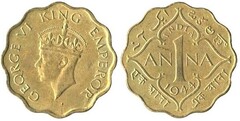
British India | 1 anna
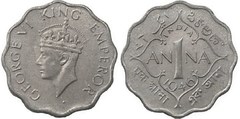
British India | 1 anna
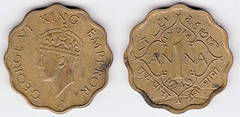
British India | 2 annas
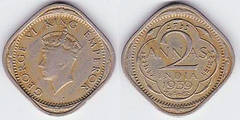
British India | 2 annas
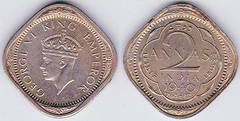
British India | 2 annas
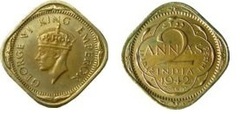
British India | 2 annas
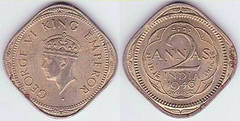
British India | 1/4 rupia
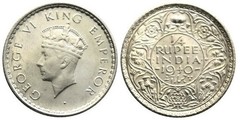
British India | 1/4 rupia
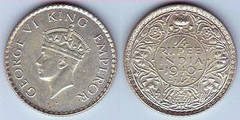
British India | 1/4 rupee (George VI)

British India | 1/4 rupee
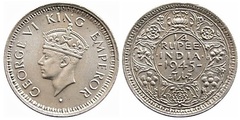
British India | 1/4 rupee
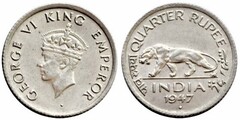
British India | 1/2 rupee
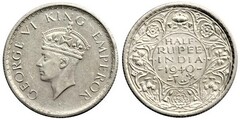
British India | 1/2 rupee
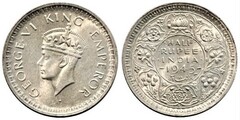
British India | 1/2 rupee
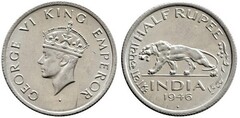
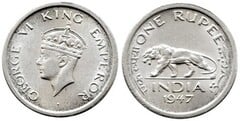
British India | 1 rupee (George VI)

British India | 1 rupee
The most valuable and popular coins
The most valuable British India coins and sought after by collectors according to Foronum statistics are the following:

The monetary history of British India is fascinating and reflects the political and economic changes in the region. During the colonial period, the Indian monetary system underwent major transformations that laid the foundation for the country's modern currency.
Colonial monetary system
Under British rule, the rupee system was introduced in 1835, replacing the various local currencies. The rupee was divided into 16 annas, and each anna into 4 pice or 12 feet. The most common coins were silver and included denominations such as 1 rupee, 8 annas and 4 annas. In 1862, the first official government bank bills were issued, marking an important milestone in India's numismatic history.
Transition to independence
As India approached independence, the monetary system began to evolve. In 1940, the portrait of King George VI was introduced on coins, who would be the last British monarch to appear on Indian currency. After independence in 1947, India continued to use the rupee system, but redesigned its coins and banknotes to reflect its new national identity. The Ashoka Lion and the Ashoka Wheel became prominent symbols on the new currency, ushering in a new era in Indian numismatics.
British India is a country that does not exist today. It is now part of the India old coins.