Finland, as a member of the European Union, has been using the euro as its official currency since 2002. However, the numismatic history of this Nordic country is rich and fascinating, reflecting its evolution as an independent nation and its integration into the European economy.
Predecessor monetary history
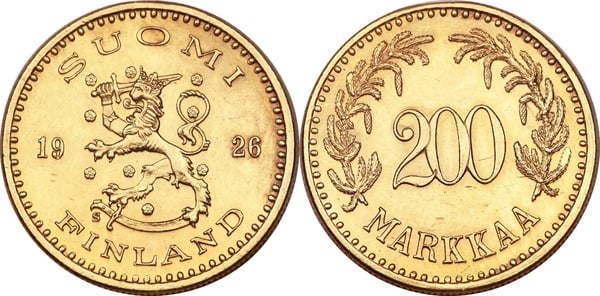
Before adopting the euro, Finland used the Finnish markka (markka) as its national currency. Introduced in 1860, the markka replaced the Russian ruble and remained in circulation until 2002. During this period, Finland underwent several significant changes to its monetary system, including the introduction of nickel coins in 1952 and the issuance of banknotes with designs reflecting Finnish culture and nature.
Milestones in Finnish numismatics
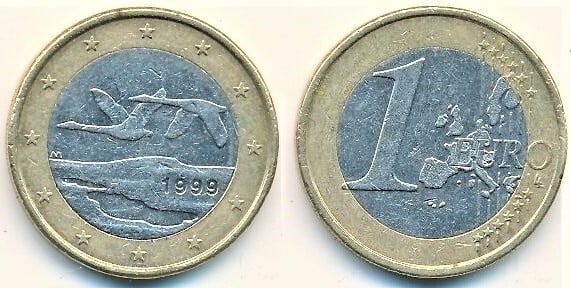
Finnish numismatics has witnessed several important milestones. In 1999, Finland minted its first euro coins, becoming one of the first countries to do so. In addition, the country has issued numerous commemorative coins, such as the 2004-2016 series honoring Finnish presidents. A curious fact is that Finland decided not to mint 1 and 2 cent euro coins for general use, although they are produced in limited quantities for collectors.