Wismar Coin List
Germany-States | 3 pfennig
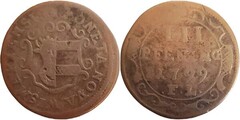
The most valuable and popular coins
The most valuable Wismar coins and sought after by collectors according to Foronum statistics are the following:

Historical information
The Hanseatic city of Wismar, located on the Baltic Sea coast of Germany, has a rich numismatic history dating back to the Middle Ages. For centuries, Wismar minted its own coins, reflecting its importance as a trading center and its status within the Hanseatic League.
Wismar's monetary history
Coin minting in Wismar began in the 13th century, when the city obtained the right of minting. The first Wismar pfennigs were low-denomination silver coins, common in northern Germany. Over time, the city began to produce coins of higher value, such as schillings and thalers. During the Hanseatic League period, Wismar coins circulated widely in the Baltic trade, being accepted in numerous ports due to their quality and consistency. The iconography of these coins often included symbols of the city, such as the coat of arms with a bull's head, reflecting Wismar's identity and civic pride.
Notable coins and their impact
Among Wismar's most notable issues were the "Witten," silver coins introduced in the 14th century that became an important monetary unit in the Baltic region. In the 17th century, Wismar, under Swedish control, issued occupational coins that are highly valued by collectors today. These pieces, which included denominations such as ducats and thalers, often bore Latin inscriptions and depictions of the Swedish crown along with Wismar symbols. Wismar's numismatic legacy not only provides a fascinating window into its economic and political history, but also reflects the shifts in alliances and power in the Baltic region over the centuries.