Bavaria Coin List
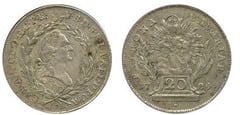
Germany-States | 20 kreuzer
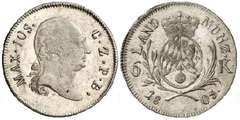
Germany-States | 6 kreuzer
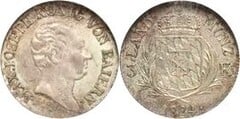
Germany-States | 3 kreuzer
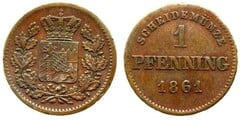
Germany-States | 1 pfenning
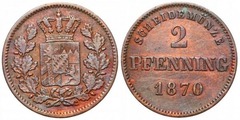
Germany-States | 2 pfenning
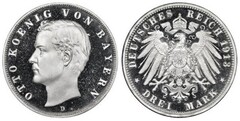
Germany-States | 3 mark (Otto Koenig Von Bayern)
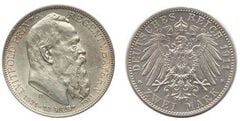
Germany-States | 2 mark (Otto-90th Birthday of Prince Regent Luitpold)
The most valuable and popular coins
The most valuable Bavaria coins and sought after by collectors according to Foronum statistics are the following:

Historical information
The monetary history of Bavaria is fascinating and reflects the political and economic changes of this German region over the centuries. From its origins as a duchy to its transformation into a kingdom, Bavaria has left a rich and diverse numismatic legacy that attracts collectors and historians alike.
The Duchy of Bavaria and its early coinage
The Duchy of Bavaria, established in the 6th century, began minting its own coins in the Middle Ages. Silver pfennigs were the first coins issued by the Bavarian dukes, modeled after the Carolingian monetary system. Over time, coin production expanded and diversified, including kreuzer, gulden and taler. These pieces not only served as a medium of exchange, but also reflected the power and autonomy of the duchy. The coins often featured the coats of arms of the ruling Wittelsbach family and religious symbols, evidencing the close relationship between church and state in Bavaria.
The Kingdom of Bavaria and its Monetary System
In 1806, Bavaria became a kingdom, marking a new chapter in its numismatic history. The Bavarian gulden was established as the main monetary unit, divided into 60 kreuzer. This system lasted until German unification in 1871, when Bavaria adopted the German mark. During this period, Bavarian coins reached their artistic peak, with elaborate designs depicting monarchs and national symbols. Of particular note are pieces minted under the reigns of Ludwig I and Ludwig II, known for their patronage of the arts. The last series of coins of the Kingdom of Bavaria, issued just before World War I, is particularly prized by collectors because of its rarity and historical significance, marking the end of an era in German numismatics.