
Euro Ireland Coin List
Ireland | 1 euro cent
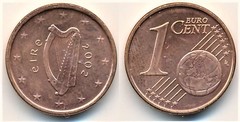
Ireland | 2 euro cent
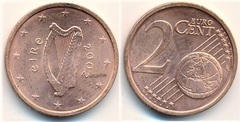
Ireland | 5 euro cent
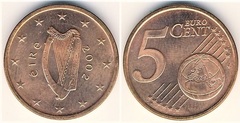
Ireland | 10 euro cent
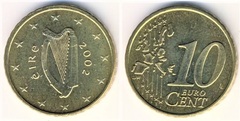
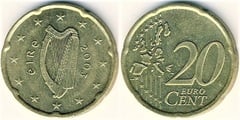
Ireland | 20 euro cent
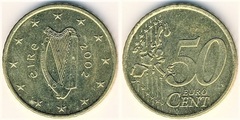
Ireland | 50 euro cent
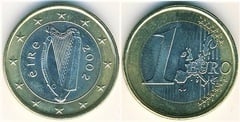
Ireland | 1 euro
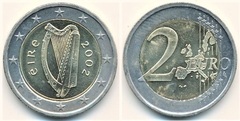
Ireland | 2 euro
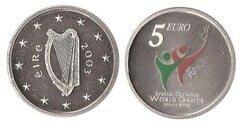
Ireland | 5 euro (Special Olympic Games)
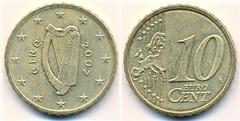
Ireland | 10 euro cent
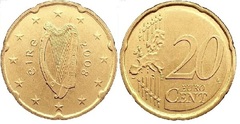
Ireland | 20 euro cent
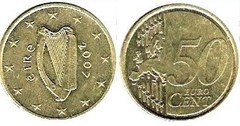
Ireland | 50 euro cent
Ireland | 1 euro
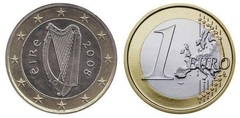
Ireland | 2 euro
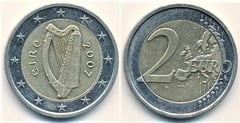
Ireland | 2 euro (50th Anniversary of the Treaty of Rome)
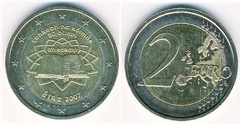
Ireland | 2 euro (10th Anniversary of the Economic and Monetary Union)
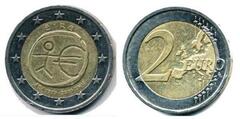
Ireland | 10 euro (Jack B. Yeats)

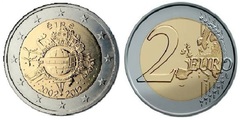
Ireland | 2 euro (10th Anniversary of Euro Circulation)
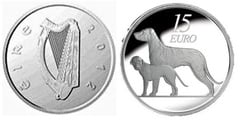
Ireland | 15 euro (Irish Wolfhound)
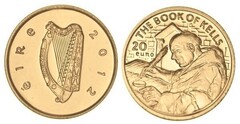
Ireland | 20 euro (Book of Kells)
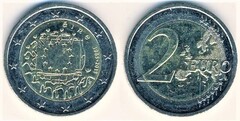
Ireland | 2 euro (30th Anniversary of the European Flag)
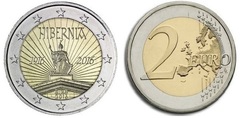
Ireland | 2 euro (100th Anniversary of the Easter Rising and the Proclamation of the Irish Republic)
Ireland | 10 euro (Eileen Gray)

Ireland | 10 euro (Penny Bridge)

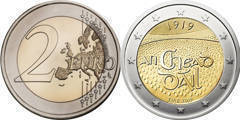
Ireland | 2 euro (100th Anniversary of the First Session of Dáil Éireann)
The most valuable and popular coins
The most valuable Euro Ireland coins and sought after by collectors according to Foronum statistics are the following:

Historical information
The adoption of the euro in Ireland in 2002 marked a significant milestone in the country's economic history. This change brought with it a new series of coins that reflected Irish identity and cultural heritage, while integrating into the European monetary system.
Design and symbolism of Irish euro coins
Irish euro coins feature a unique design on their national side, depicting the Celtic harp, a traditional symbol of Ireland. This emblem, used on all denominations from 1 cent to €2, represents the historical and cultural continuity of the country. The design was the work of artist Jarlath Hayes, who was inspired by the 14th century Brian Boru harp, preserved at Trinity College Dublin. In addition to their symbolic value, these coins incorporated advanced security features and were minted with modern alloys to ensure durability and make counterfeiting more difficult.
Economic and social impact of the euro changeover
The introduction of the euro in Ireland had profound economic and social implications. On the one hand, it facilitated trade and travel within the eurozone, eliminating currency exchange costs and simplifying international transactions. This especially benefited Irish companies with operations in Europe. On the other hand, the changeover from the Irish pound to the euro required a period of adaptation for citizens, who had to familiarize themselves with the new values and learn how to calculate prices in the new currency. The Central Bank of Ireland implemented an extensive information and education campaign to facilitate this transition, which included the distribution of conversion calculators and the display of dual prices for several months.