Livonia Coin List
Historical categories
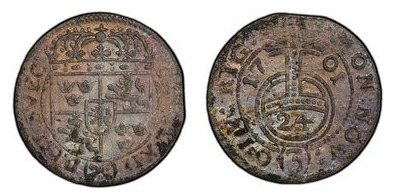


Livonia | 1 solidus (Christina-Type 1)
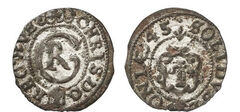
Livonia | 1 solidus (Christina-Type 2)

Livonia | 3 polker (Christina)

Livonia | 1 solidus (Carl X Gustav)

Livonia | 1 schilling (Sigismund III Vasa)

Livonia | 1 solidus (Carl XI)

Livonia | 3 grossus (Sigismund III Vasa)

Livonia | 3 polker (Carl XI)
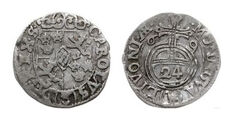
Livonia | 1 1/2 grossus (Sigismund III Vasa)
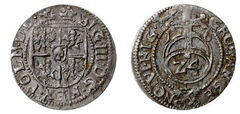
Livonia | 3 polker (Sigismund III Vasa)
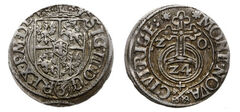
Livonia | 1 ducat (Sigismund III Vasa)
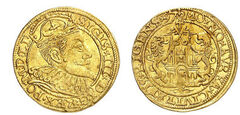
Livonia | 1 solidus (Gustav II Adolf)
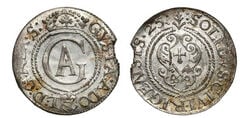
Livonia | 1 1/2 schilling (Gustav II Adolf)
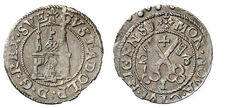
Livonia | 1/2 dalderi (Gustav II Adolf)
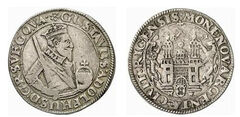
Livonia | 1 dalderi (Gustav II Adolf )
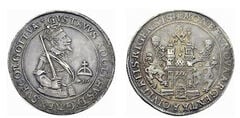
Livonia | 1 dalderi (Gustav II Adolf )
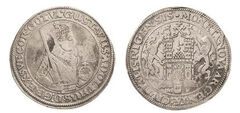
Livonia | 1 solidus (Christina)
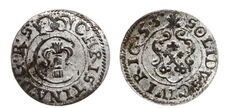
Livonia | 1 dalderi (Christina)

Livonia | 1 dalderi (Christina)

Livonia | 1 dalderi (Christina)

Livonia | 3 polker (Christina)

Livonia | 1 dalderi (Christina)

Livonia | 1 dalderi (Christina)

Livonia | 2 dalderi (Christina)

Livonia | 3 dalderi (Christina)

The most valuable and popular coins
The most valuable Livonia coins and sought after by collectors according to Foronum statistics are the following:

The numismatic history of Livonia is a fascinating journey through the monetary evolution of this Baltic region. From the Middle Ages until its dissolution in the 18th century, Livonia experienced various changes in its monetary systems, reflecting the political and economic influences of the powers that dominated it.
Livonian monetary history
The first coins minted in Livonia date back to the 13th century, when the Livonian Order and the local bishoprics began issuing their own pieces. The Riga mark became the main monetary unit, subdividing into shillings and pfennigs. During the Polish-Lithuanian rule in the 16th century, the Polish złoty was introduced, while the later Swedish domination brought the riksdaler as a reference coin.
Relevant historical milestones.
One of the most significant events in Livonian numismatic history was the Livonian War (1558-1583), which led to great monetary instability and the minting of emergency coins. Another important milestone was the monetary reform of 1422, which established a uniform minting system throughout the region. The Russian occupation in 1710 marked the end of Livonian monetary autonomy, gradually integrating the local monetary system into that of the Russian Empire.
Livonia is a country that does not exist today. It is now part of the Sweden old coins.