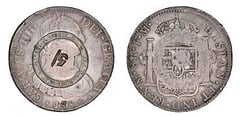
Scottish numismatics has a rich history dating back centuries. Although Scotland currently uses sterling as its official currency, its monetary past is fascinating and unique, reflecting the country's political and economic evolution.
Current currency in circulation
Today, Scotland uses the pound sterling as its official currency, as does the rest of the United Kingdom. However, Scotland has a special feature: three Scottish banks (Bank of Scotland, Royal Bank of Scotland and Clydesdale Bank) are authorized to issue their own banknotes. These bills are legal tender in Scotland and, although they are not compulsory in the rest of the United Kingdom, they are widely accepted.
Monetary history and relevant facts
Before the union with England in 1707, Scotland had its own currency: the Scottish pound. This coin was divided into 20 shillings, each of 12 pence, similar to the English pound but with a lower value. An important milestone in Scottish numismatics was the minting of the gold "ryal" of Mary, Queen of Scots, in 1555, considered one of the most beautiful coins in history. After the union, Scotland gradually adopted sterling, although it retained some peculiarities, such as the issue of the one pound coin until 2017, when it was replaced by a new bimetallic coin throughout the United Kingdom.