Habsbourgs (1516-1700) Coin List
Spain | 1 maravedi (Philip III)
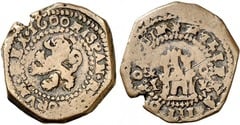
Spain | 2 maravedíes (Philip III)
Spain | 2 maravedíes (Philip III)
Spain | 2 maravedíes (Philip III)
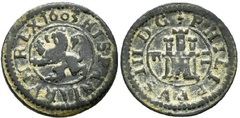
Spain | 2 maravedíes (Philip III)
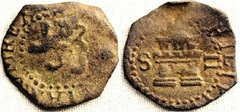
Spain | 2 maravedíes (Philip III)
Spain | 2 maravedíes (Philip IV)
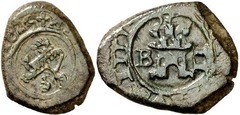
Spain | 2 maravedíes (Philip IV)
Spain | 1 dinero - Valencia (Philip III)
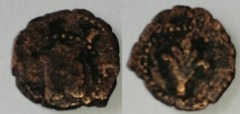
Spain | 2 maravedíes (Charles II)
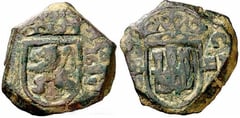
Spain | 2 maravedíes (Charles II)
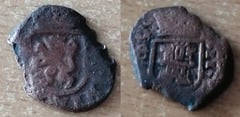
Spain | 2 maravedíes (Charles II)
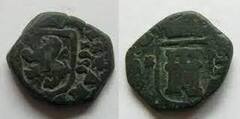
Spain | 2 maravedíes (Charles II)
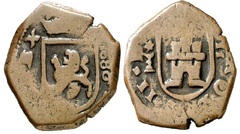
Spain | 2 maravedís (Charles II)
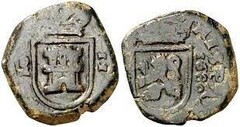
Spain | 2 maravedíes (Charles II)
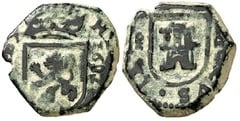
Spain | 2 Maravedíes (Charles II)
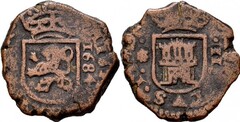
Spain | 4 maravedíes (Philip III)
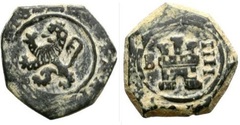
Spain | 4 maravedíes (Philip III)
Spain | 4 maravedíes (Philip III)
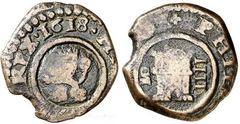
Spain | 4 maravedíes (Philip III)
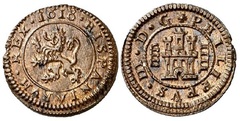
Spain | 4 maravedíes (Philip III)
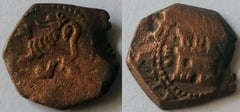
Spain | 4 maravedíes (Philip IV)
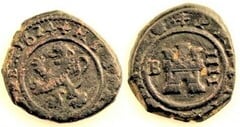
Spain | 4 maravedíes (Philip IV)
Spain | 4 maravedíes (Philip III)
Spain | 4 maravedíes (Philip IV)
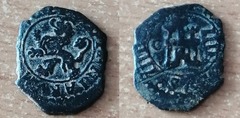
The most valuable and popular coins
The most valuable Habsbourgs (1516-1700) coins and sought after by collectors according to Foronum statistics are the following:

Historical information
The House of Austria in Spain, also known as the Habsburg dynasty, ruled the Spanish Empire from 1516 to 1700. This period witnessed important political, economic and social changes that were reflected in the coinage of the time.
The rise of the Empire and its coins
During the reign of Charles I and Philip II, Spain reached its peak of imperial splendor. The influx of precious metals from the American colonies allowed the minting of coins of great quality and value. The real de a ocho, also known as the Spanish peso or dollar, became the first currency in global use. These coins, minted in high purity silver, bore the coat of arms of the House of Austria and the image of the reigning monarch. The Potosí mint in present-day Bolivia became one of the most important in the world, producing enormous quantities of coins that circulated throughout Europe, America and Asia.
Economic Decline and Currency Devaluation
As the 17th century progressed, the Spanish Empire began to experience economic and military decline. This was reflected in the quality of coins minted during the reigns of Philip III, Philip IV and Charles II. Inflation and devaluations became frequent, and low value vellon (silver and copper alloy) coins were minted to cope with the scarcity of precious metals. The pure copper coin, known as maravedí, became the currency in common use for everyday transactions. Despite these problems, the real de a ocho maintained its international prestige until the end of the dynasty, being widely used in global trade and laying the foundation for future currencies such as the U.S. dollar.