Saint Gallen Coin List
Swiss cantons | 1 pfennig (Beda Angehrn)
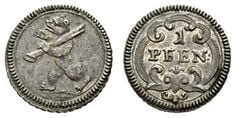
Swiss cantons | 1 kreuzer (Beda Angehrn)
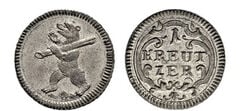
Swiss cantons | 1 kreuzer (Beda Angehrn)
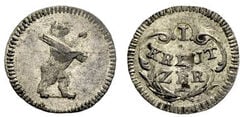
Swiss cantons | 1 thaler (Bernhard Müller)
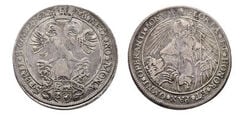
Swiss cantons | 6 kreuzer (Beda Angehrn)
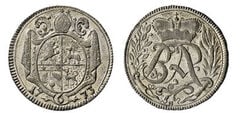
Swiss cantons | 6 kreuzer (Beda Angehrn)
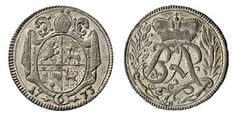
Swiss cantons | 12 kreuzer (Beda Angehrn)
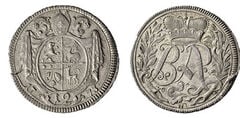
Swiss cantons | 12 kreuzers (Beda Angehrn)
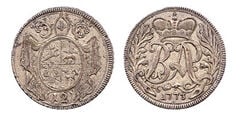
Swiss cantons | 1 ducat (Beda Angehrn)
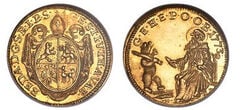
Swiss cantons | 5 kreuzer (Beda Angehrn)
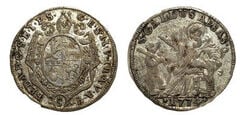
Swiss cantons | 10 kreuzer (Beda Angehrn)
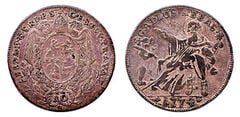
Swiss cantons | 20 kreuzers (Beda Angehrn)
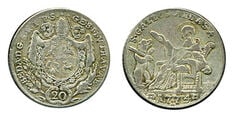
Swiss cantons | 1 ducat (Beda Angehrn)
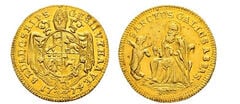
Swiss cantons | 1/2 thaler (Beda Angehrn)
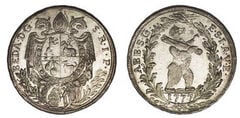
Swiss cantons | 1 thaler (Beda Angehrn)
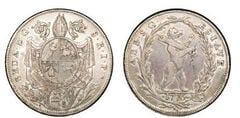
Swiss cantons | 20 kreuzers (Beda Angehrn)
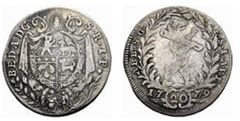
Swiss cantons | 1 thaler (Beda Angehrn)
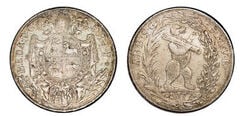
Swiss cantons | 2 kreuzer (Beda Angehrn)
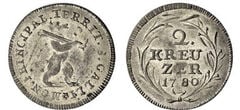
Swiss cantons | 4 kreuzer (Beda Angehrn)
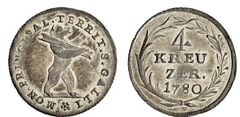
Swiss cantons | 20 kreuzers (Beda Angehrn)
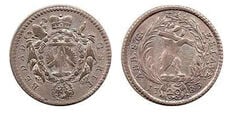
Swiss cantons | 1/2 thaler (Beda Angehrn)
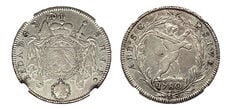
Swiss cantons | 1 thaler (Beda Angehrn)
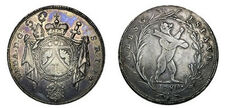
Swiss cantons | 15 kreuzers (Beda Angehrn)
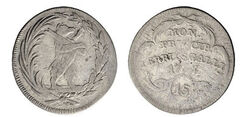
Swiss cantons | 30 kreuzers (Beda Angehrn)
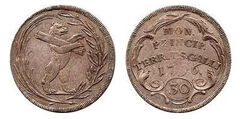
Swiss cantons | 1 ducat (Beda Angehrn)
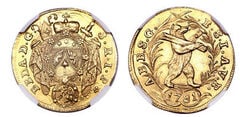
The most valuable and popular coins
The most valuable Saint Gallen coins and sought after by collectors according to Foronum statistics are the following:

Historical information
The abbey of Saint Gall, located in what is now Switzerland, was an important religious and cultural center during the Middle Ages. Founded in the 7th century, the abbey played a crucial role in the economic and monetary development of the region, influencing coinage and local trade.
The monetary system of Saint Gall
During medieval times, Saint Gall minted its own coins, known as "pfennigs" or denarii. These pieces, generally made of silver, featured religious designs and symbols of the abbey. The quality and purity of Saint Gall's coins earned them a high reputation, making them a widely accepted medium of exchange in the region. The abbey's monetary system was based on the silver mark, divided into 160 pfennigs, which facilitated trade and economic transactions both within and outside the Saint Gallen territories.
Economic influence and numismatic legacy
The minting of coins in Saint Gall not only reflected its economic power, but also contributed to the development of the Swiss canton region. The abbey's coins circulated widely, promoting trade and strengthening economic relations between neighboring communities. Over time, the Saint Gall monetary system influenced the evolution of monetary practices throughout the region. Today, Saint Gall coins are coveted by collectors and numismatists, offering valuable insight into the economic and cultural history of medieval Switzerland and the pivotal role the abbey played in its development.