
Yugoslavia Coin List
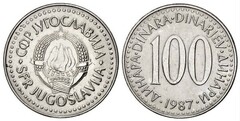
Yugoslavia | 100 dinara
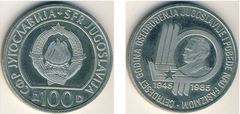
Yugoslavia | 100 dinara (40th Anniversary of the Liberation from Fascism)
Yugoslavia | 100 dinara (200th anniversary of the birth of Vuk Karadžić)

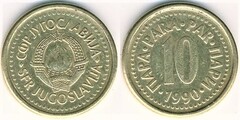
Yugoslavia | 10 dinara
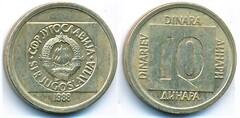
Yugoslavia | 20 dinara
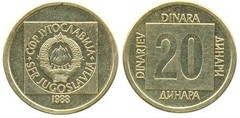
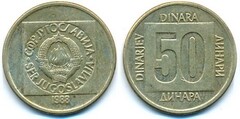
Yugoslavia | 50 dinara
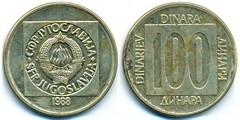
Yugoslavia | 100 dinara
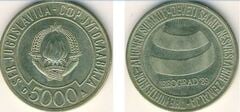
Yugoslavia | 5,000 dinara (Ninth Non-Aligned Summit - Beograd 1989)
Yugoslavia | 10 para
Yugoslavia | 20 para
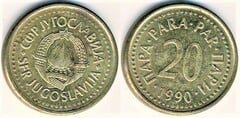
Yugoslavia | 50 para
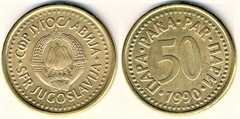
Yugoslavia | 1 dinar
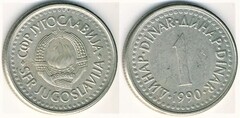
Yugoslavia | 2 dinara
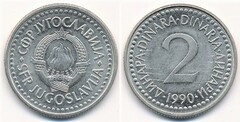
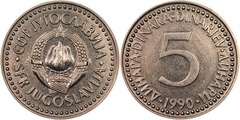
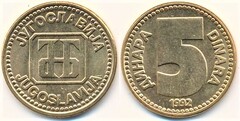
Yugoslavia | 5 dinara
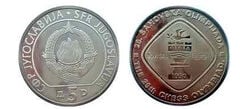
Yugoslavia | 5 dinara (Chess Olympiad)
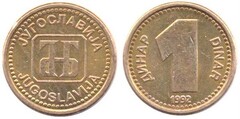
Yugoslavia | 1 dinar
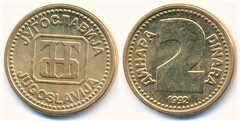
Yugoslavia | 2 dinara
Yugoslavia | 5 dinara
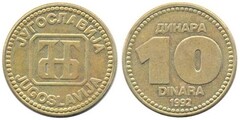
Yugoslavia | 10 dinara
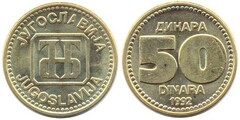
Yugoslavia | 50 dinara
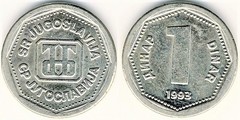
Yugoslavia | 1 dinar
Yugoslavia | 2 dinara
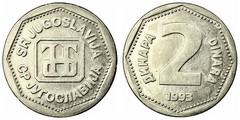
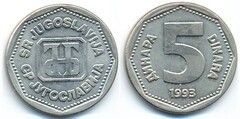
Yugoslavia | 5 dinara
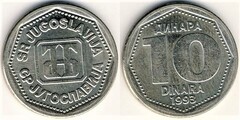
Yugoslavia | 10 dinara
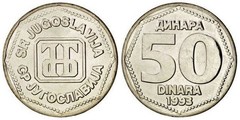
Yugoslavia | 50 dinara
The most valuable and popular coins
The most valuable Yugoslavia coins and sought after by collectors according to Foronum statistics are the following:

Yugoslavia' s monetary history in the 20th century was marked by significant political and economic changes. From its formation as a kingdom in 1918 until its dissolution in the 1990s, Yugoslavia underwent several transformations in its monetary system, reflecting the country's challenges and evolution.
Yugoslav banknotes and coins
The official currency of Yugoslavia was the Yugoslav dinar, introduced in 1920. Throughout its history, the dinar underwent several redenominations due to inflation. Yugoslav coins and banknotes reflected the country's cultural diversity, with designs that included national symbols, historical figures and important monuments. During the hyperinflation of the 1990s, banknotes were issued in extremely high denominations, reaching 500 billion dinars.
Yugoslav numismatic landmarks
Among Yugoslavia's most important numismatic milestones was the issuance of commemorative coins for the Sarajevo Winter Olympic Games in 1984. Another significant event was the introduction of the "new dinar" in 1994, as part of an economic stabilization plan. In addition, the production of gold and silver coins during the socialist period, known as "investment dinars," became an important aspect of Yugoslav numismatics, attracting the interest of international collectors.
Yugoslavia is a country that does not exist today.