Republic Coin List
Angola | 1 kwanza
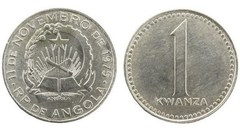
Angola | 1 kwanza
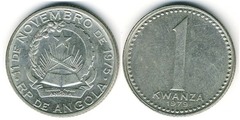
Angola | 2 kwanzas
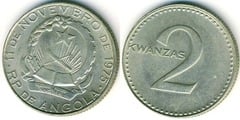
Angola | 5 kwanzas
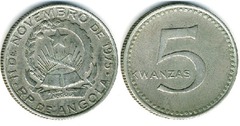
Angola | 10 kwanzas
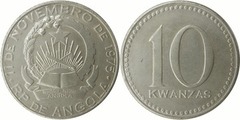
Angola | 10 kwanzas
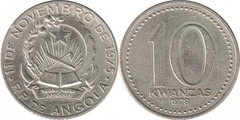
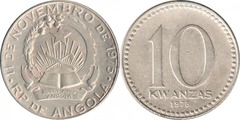
Angola | 10 kwanzas
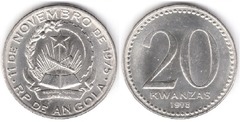
Angola | 20 kwanzas
Angola | 50 lwei
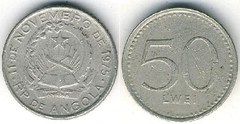
Angola | 50 lwei
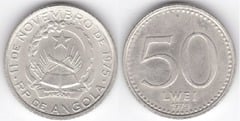
Angola | 50 kwanzas
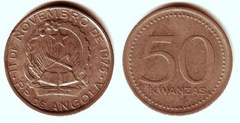
Angola | 100 kwanzas
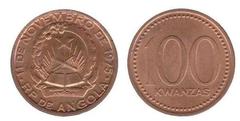
Angola | 10 céntimos
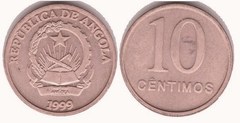
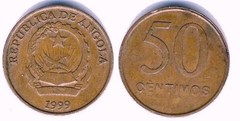
Angola | 50 céntimos
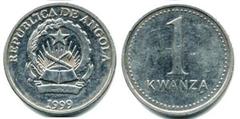
Angola | 1 kwanza
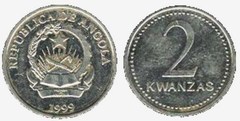
Angola | 2 kwanzas
Angola | 5 kwanzas
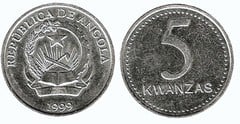
Angola | 50 kwanzas (50th Anniversary of Kwanza)
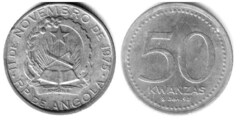
Angola | 50 céntimos
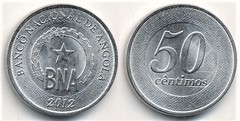
Angola | 1 kwanza
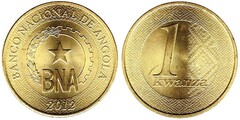
Angola | 5 kwanzas
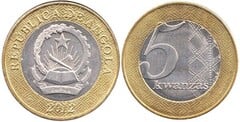
Angola | 10 kwanzas
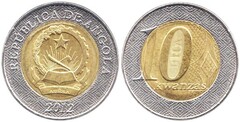
Angola | 20 kwanzas
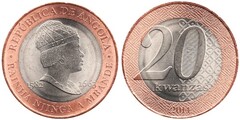
Angola | 50 kwanzas (40th Anniversary of Independence)
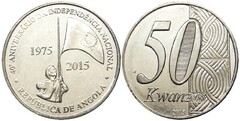
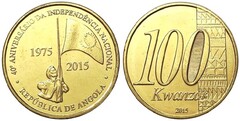
Angola | 100 kwanzas (40th Anniversary of Independence)
The most valuable and popular coins
The most valuable Republic coins and sought after by collectors according to Foronum statistics are the following:

Historical information
The Republic of Angola experienced a turbulent period following its independence from Portugal in 1975. During this time, the country faced political and economic challenges that were reflected in its monetary system and the currencies circulating in the territory.
Monetary transition and first issues
After independence, Angola initially kept the Angolan escudo as its official currency. However, in 1977, the government introduced a new monetary unit: the kwanza. This transition marked an important milestone in the country's numismatic history. The first issues of kwanzas included coins of 50 cents, 1, 2, 5 and 10 kwanzas, minted in various metals such as copper, nickel and aluminum. These pieces featured motifs related to independence and national identity, such as Angola's coat of arms, portraits of revolutionary leaders and symbols of the country's industry and agriculture.
Inflation and currency redenominations
The economic instability and civil war that plagued Angola during the 1980s and 1990s had a significant impact on its currency. Hyperinflation forced several redenominations of the kwanza. In 1990, the novo kwanza was introduced, followed by the redenominated kwanza in 1995 and finally the current kwanza in 1999. Each of these transitions was accompanied by new coin issues, reflecting the country's political and economic changes. The denominations and designs varied with each redenomination, but generally retained symbolic elements of Angolan identity, such as the oil palm, native animals and important historical figures.