
Westfalia Coin List
Germany-States | 12 pfennig (Duchy of Westphalia)
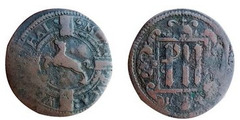
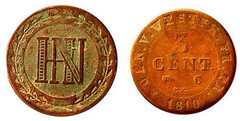
Germany-States | 3 centimes
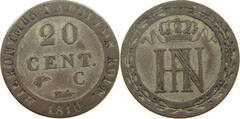
Germany-States | 20 centimes
The most valuable and popular coins
The most valuable Westfalia coins and sought after by collectors according to Foronum statistics are the following:

Historical information
The Peace of Westphalia in 1648 marked a turning point in the history of Germany and its constituent states. This period witnessed important political and economic changes that were reflected in the coinage of the time.
The Westphalian monetary system
After the Thirty Years' War, the Westphalian monetary system was characterized by its diversity and complexity. Each state and free city had the right to mint its own coins, which resulted in a wide variety of pieces in circulation. The most common coins were silver thalers, which became the basis for interregional trade. In addition, gold ducats were minted for higher value transactions and copper pfennigs for everyday use. The quality and weight of these coins varied considerably between the different states, which often caused problems in trade and required the intervention of specialized money changers.
Political influence on Westphalian numismatics
The political fragmentation of Germany after Westphalia was clearly reflected in its coins. Each ruler used coinage as a way of asserting his sovereignty and prestige. Coins often featured portraits of local rulers, their coats of arms and Latin mottos proclaiming their authority. A notable example was the "Reichstaler," a high-quality silver coin that gained wide acceptance throughout the region. Despite attempts at standardization, such as the Zinna Convention of 1667, which sought to unify the value of coins among various states, monetary diversity persisted, reflecting the complex political reality of post-Westphalian Germany.