Euro Croatia Coin List
Croatia | 1 euro cent
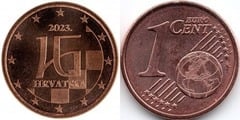
Croatia | 2 euro cent
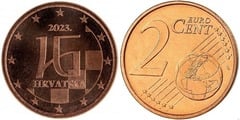
Croatia | 5 euro cent
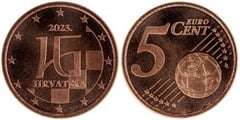
Croatia | 10 euro cent
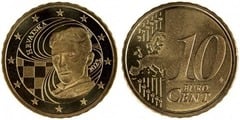
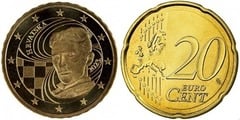
Croatia | 20 euro cent
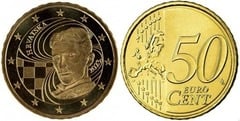
Croatia | 50 euro cent
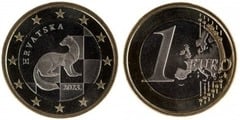
Croatia | 1 euro
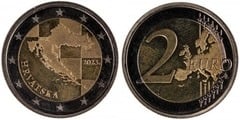
Croatia | 2 euro
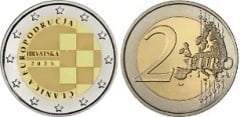
Croatia | 2 euro (Introduction of the Euro in Croatia)
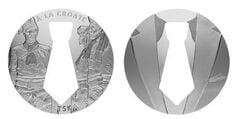
Croatia | 6 euro (Tie)
Croatia | 2 euro (City of Varaždin - Old Town)

Croatia | 4 euro (150th Anniversary of the Birth of Ivana Brlić-Mažuranić)
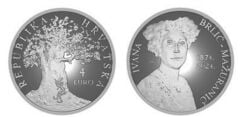
Croatia | 4 euro (Black lizard)
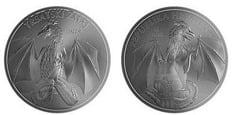
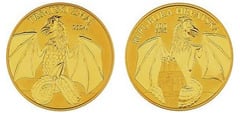
Croatia | 4 euro (The dragon of Trsat)
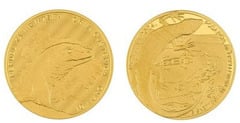
Croatia | 10 euro (Black lizard)
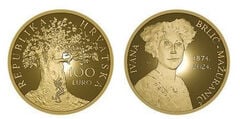
Croatia | 100 euro (150th Anniversary of the Birth of Ivana Brlić-Mažuranić)
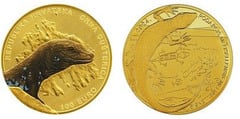
Croatia | 100 euro (Black lizard-Color)
Croatia | 100 euro (The dragon of Trsat)
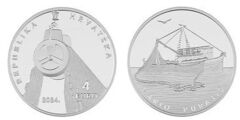
Croatia | 4 euro (Mario Puratic)
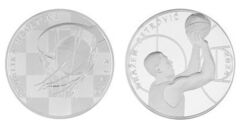
Croatia | 4 euro (Dražen Petrović)
Croatia | 4 euro (Susak Island)
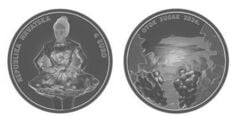
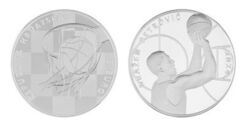
Croatia | 6 euro (Dražen Petrović)
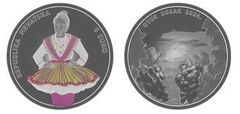
Croatia | 6 euro (Susak-Color Island)
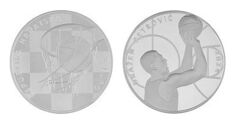
Croatia | 8 euro (Dražen Petrović)
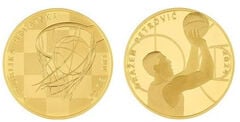
Croatia | 100 euro (Dražen Petrović)
The most valuable and popular coins
The most valuable Euro Croatia coins and sought after by collectors according to Foronum statistics are the following:

Historical information
Croatia's adoption of the euro in 2023 marked an important milestone in the country's economic and monetary history. After years of preparation and meeting the convergence criteria, Croatia became the 20th member of the eurozone, abandoning its national currency, the kuna, to embrace the common European currency.
Transition process and currency design
Croatia's euro changeover process was meticulously planned and executed. The new Croatian euro coins were minted with unique designs on their national side, reflecting the country's identity and cultural heritage. Among the motifs selected were the map of Croatia, the checkerboard of the national flag, and the image of Nikola Tesla on the 50-cent coin, generating some controversy with Serbia due to the dispute over the nationality of the famous inventor. The introduction of these coins not only represented a change in the medium of exchange, but also an opportunity for Croatia to project its national identity on the European stage.
Economic and social impact
The adoption of the euro brought about important economic and social changes for Croatia. On the one hand, it facilitated trade and transactions with other Eurozone countries, eliminating currency exchange costs and reducing exchange rate uncertainty. This especially benefited the tourism sector, a key part of the Croatian economy. On the other hand, the transition posed challenges, such as the need to adapt financial and commercial systems, and concerns about possible price increases during the currency changeover. However, the authorities implemented measures to mitigate these risks, including the obligation to display prices in both kuna and euro during an adaptation period, thus easing the transition for citizens and tourists alike.