Euro Netherlands Coin List
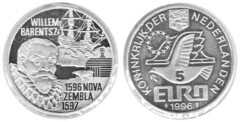
Netherlands | 5 euro (400th Anniversary of the explorer Willem Barents)
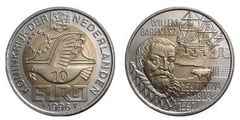
Netherlands | 10 euro (500 years of Barentsz wintering in Nova Zembla)
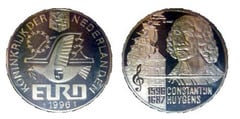
Netherlands | 5 euro (400th anniversary of the birth of Constantijn Huygens)
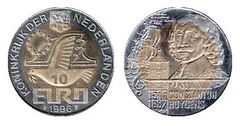
Netherlands | 10 euro (400th anniversary of the birth of Constantijn Huygens)
Netherlands | 5 euro (350th anniversary of the death of P.C.Hooft)
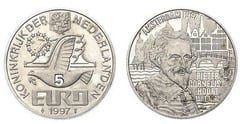
Netherlands | 10 euro (350th anniversary of the death of P.C.Hooft)
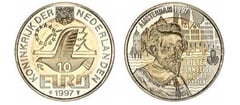
Netherlands | 5 euro (450th Anniversary - Birth of Johan van Oldenbarnevelt)
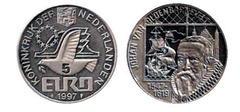
Netherlands | 10 euro (450th birthday of Johan van Oldenbarnevelt)
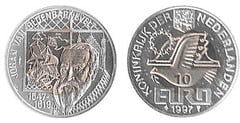
Netherlands | 5 euro (400th anniversary of the birth of M.H.Tromp)
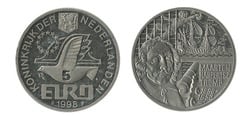
Netherlands | 10 euro (400th anniversary of the birth of M.H.Tromp)
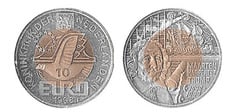
Netherlands | 5 euro (100th anniversary of the birth of M.C. Escher)
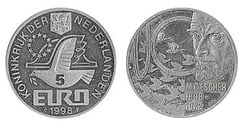
Netherlands | 10 euro (100th anniversary of the birth of M.C. Escher)
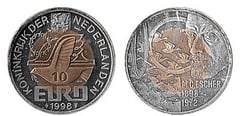
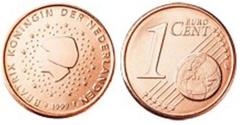
Netherlands | 1 euro cent
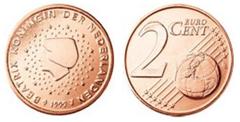
Netherlands | 2 euro cent
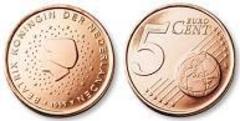
Netherlands | 5 euro cent
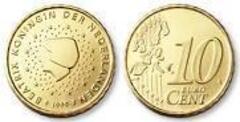
Netherlands | 10 euro cent
Netherlands | 20 euro cent
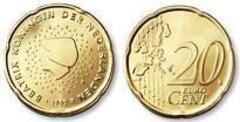
Netherlands | 50 euro cent
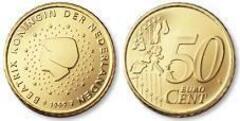
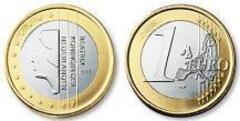
Netherlands | 1 euro
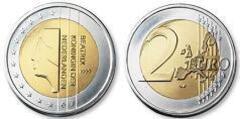
Netherlands | 2 euro
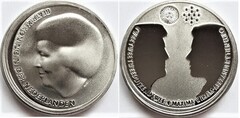
Netherlands | 10 euro (The marriage of Willem-Alexander and Máxima)
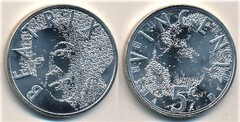
Netherlands | 5 euro (150th Anniversary of the Birth of Vincent Van Gogh)
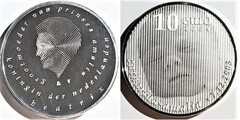
Netherlands | 10 euro (Birth of Princess Catharina-Amalia)
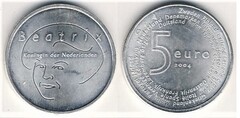
Netherlands | 5 euro (Enlargement of the European Union)
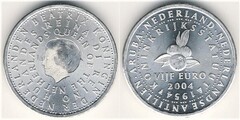
Netherlands | 5 euro (50th Anniversary of the End of the Colonization of the Netherlands Antilles)
The most valuable and popular coins
The most valuable Euro Netherlands coins and sought after by collectors according to Foronum statistics are the following:

Historical information
The introduction of the euro in the Netherlands marked a significant milestone in the country's monetary history. From 1999, when the euro was adopted as the currency of account, until its physical implementation in 2002, the Netherlands experienced a transition that would forever change its economic and numismatic landscape.
The transition to the euro
The process of adopting the euro in the Netherlands was meticulously planned and executed. On January 1, 1999, the euro became the official currency for electronic and accounting transactions, while the Dutch guilder remained in physical circulation. During this transition period, prices were displayed in both guilders and euros, preparing the population for the impending changeover. On January 1, 2002, euro banknotes and coins entered circulation, initiating a period of dual circulation that lasted until January 28 of the same year, when the guilder ceased to be legal tender.
Dutch euro coins
Dutch euro coins feature a unique design that reflects the country's national identity. On the obverse, all denominations show the portrait of Queen Beatrix (later replaced by King Willem-Alexander in 2014), surrounded by twelve stars symbolizing the European Union. The reverse of the coins follows the common European design. A distinctive feature of Dutch coins is the inscription on the edge of the €2 coin, which reads "God zij met ons" (God be with us), a tradition that dates back to the old guilder coins. The production of these coins is carried out at the Royal Netherlands Mint, an institution with centuries of history in the minting of national currency.