2nd Republic Tunisia Coin List
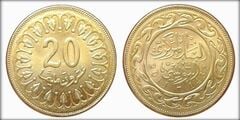
Tunisia | 20 millimes
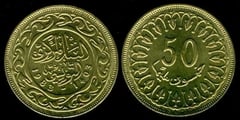
Tunisia | 50 millimes
Tunisia | 100 millimes

Tunisia | 1/2 dinar (FAO)
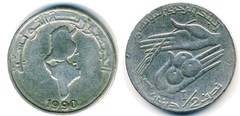
Tunisia | 1 dinar (FAO)
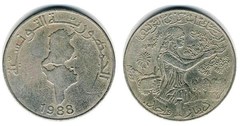
Tunisia | 1/2 dinar (FAO)
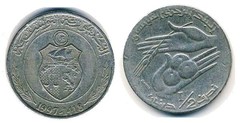
Tunisia | 1 dinar (FAO)
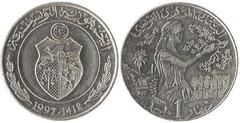
Tunisia | 5 millimes
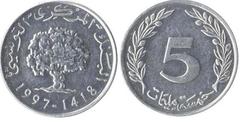
Tunisia | 1 millim
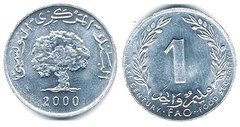
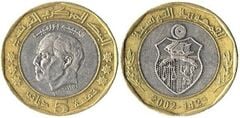
Tunisia | 5 dinars
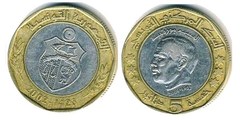
Tunisia | 5 dinars (2nd Anniversary of the Death of Habib Bourguiba)
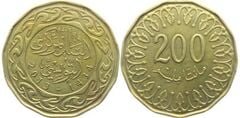
Tunisia | 200 millimes
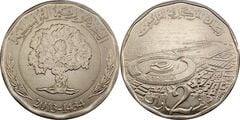
Tunisia | 2 dinars
Tunisia | 1 dinar
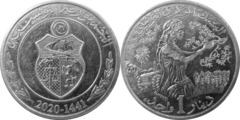
Tunisia | 1/2 dinar
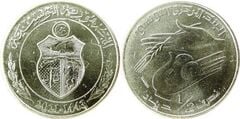
Tunisia | 5 dinars (22nd anniversary of the death of President Habib Bourguiba)
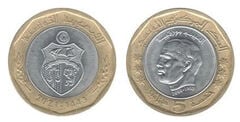
The most valuable and popular coins
The most valuable 2nd Republic Tunisia coins and sought after by collectors according to Foronum statistics are the following:

Historical information
Tunisia's Second Republic, established in 1988, marked a significant period in the history of the North African country. This political change brought about important transformations in various aspects of Tunisian society, including its monetary system and coinage.
Political and economic changes
The Second Republic was established following the dismissal of President Habib Bourguiba by Zine El Abidine Ben Ali. This period was characterized by economic and political reforms aimed at modernizing the country and attracting foreign investment. Economic liberalization and privatization of state-owned enterprises were among the measures implemented. In the monetary sphere, the Central Bank of Tunisia maintained its role as issuer of the national currency, the Tunisian dinar, adapting to the new economic policies and the country's increasing openness to international trade.
Coins of the Second Republic
During this period, Tunisia continued to use the dinar as its official currency, but introduced new designs and denominations on its coins. The issues of this period reflected Tunisian national identity and cultural heritage. Coins were minted in denominations of 5, 10, 20, 20, 50 and 100 millimes, as well as 1/2, 1 and 5 dinars. These pieces featured historical and cultural motifs, such as ancient monuments, historical figures and national symbols. The minting quality improved significantly, using more advanced technologies. In addition, commemorative coins were issued to celebrate important events and prominent personalities in Tunisian history, which increased the interest of both national and international collectors in Tunisian numismatics of this period.