Kuna (1994-2022) Coin List
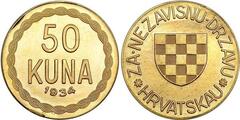
Croatia | 50 kuna
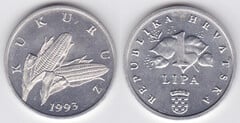
Croatia | 1 lipa
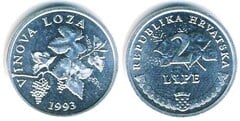
Croatia | 2 lipe
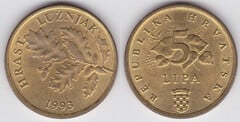
Croatia | 5 lipa
Croatia | 10 lipa
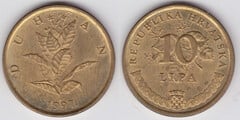
Croatia | 20 lipa
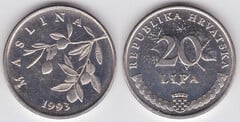
Croatia | 50 lipa
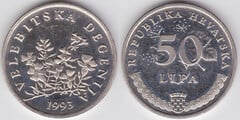
Croatia | 1 kuna
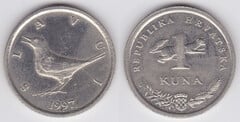
Croatia | 1 kuna (5th Anniversary of the Kuna)
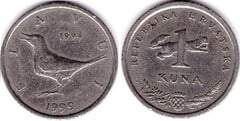
Croatia | 2 kuna
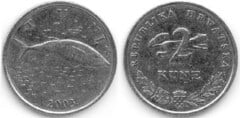
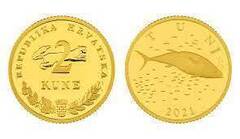
Croatia | 2 kune
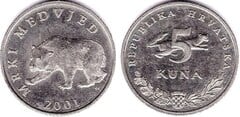
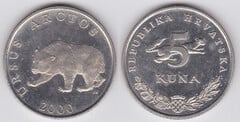
Croatia | 5 kuna
Croatia | 1 lipa
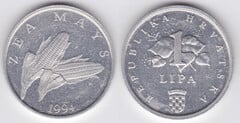
Croatia | 1 lipa (FAO)
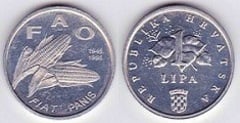
Croatia | 2 lipe
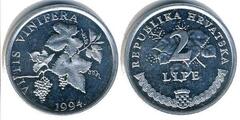
Croatia | 5 lipa
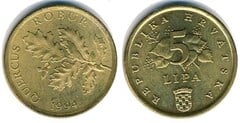
Croatia | 10 lipa
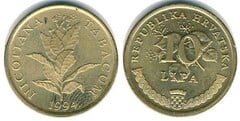
Croatia | 20 lipa
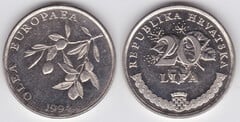
Croatia | 20 lipa (FAO)
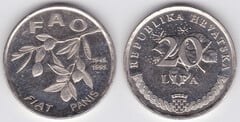
Croatia | 50 lipa
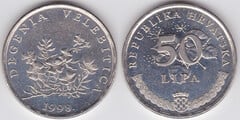
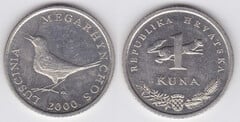
Croatia | 1 kuna
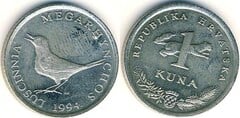
Croatia | 1 kuna
Croatia | 2 kuna
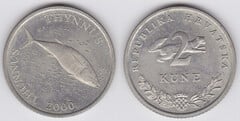
Croatia | 2 kuna (FAO)
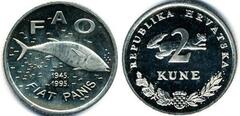
Croatia | 5 kuna
The most valuable and popular coins
The most valuable Kuna (1994-2022) coins and sought after by collectors according to Foronum statistics are the following:

Historical information
The Croatian kuna was the official currency of Croatia from 1994 to 2022, replacing the Croatian dinar after the country's independence. For nearly three decades, this currency played a crucial role in the Croatian economy and reflected the nation's rich history and culture.
History and design of the kuna
The kuna was introduced on May 30, 1994 as part of Croatia's post-independence economic stabilization. The name "kuna" is derived from the sable, an animal whose skins were used as currency in the Middle Ages. Kuna coins featured designs celebrating Croatian fauna and flora, as well as important historical figures. For example, the 1 kuna coin showed a nightingale, while the 5 kuna coin featured a bear. The banknotes, meanwhile, displayed portraits of prominent figures in Croatian history, such as King Petar Krešimir IV on the 500 kuna bill.
Euro changeover and legacy
Throughout its existence, the kuna maintained relative stability, although it experienced a gradual depreciation against the euro. In 2022, Croatia completed its process of integration into the euro zone, and on January 1, 2023, the euro officially replaced the kuna as the national currency. This change marked the end of an era for Croatian numismatics, but also the beginning of a new stage in the country's economic history. The kuna coins and banknotes, now withdrawn from circulation, have become valuable collector's items that preserve the memory of a significant period in Croatia's modern history.