Germany-Rep. Weimar Coin List
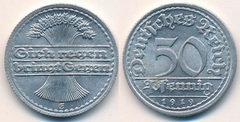
Germany-Rep. Weimar | 50 pfennig
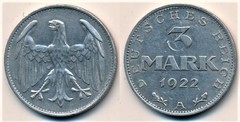
Germany-Rep. Weimar | 3 mark
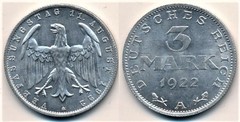
Germany-Rep. Weimar | 3 mark (3rd Anniversary of the Weimar Constitution)
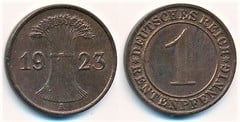
Germany-Rep. Weimar | 1 rentenpfennig
Germany-Rep. Weimar | 2 rentenpfennig
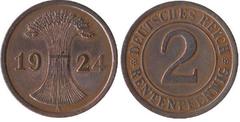
Germany-Rep. Weimar | 5 rentenpfennig
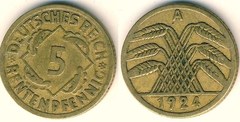
Germany-Rep. Weimar | 10 rentenpfennig
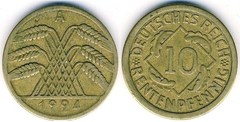
Germany-Rep. Weimar | 50 rentenpfennig
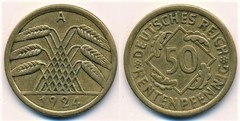
Germany-Rep. Weimar | 200 mark
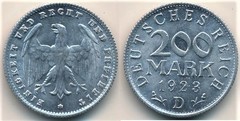
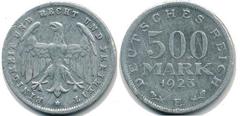
Germany-Rep. Weimar | 500 mark
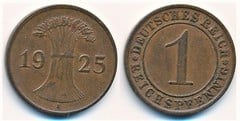
Germany-Rep. Weimar | 1 reichspfennig
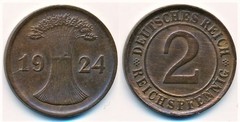
Germany-Rep. Weimar | 2 reichspfennig
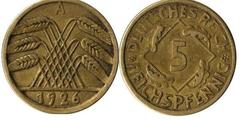
Germany-Rep. Weimar | 5 reichspfennig
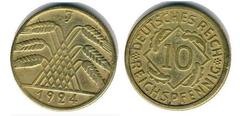
Germany-Rep. Weimar | 10 reichspfennig
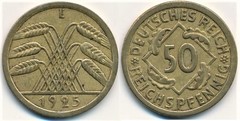
Germany-Rep. Weimar | 50 reichspfennig
Germany-Rep. Weimar | 1 mark

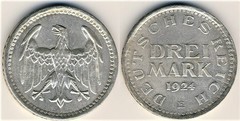
Germany-Rep. Weimar | 3 mark
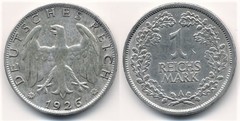
Germany-Rep. Weimar | 1 reichsmark
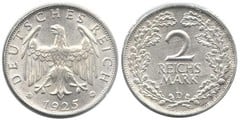
Germany-Rep. Weimar | 2 reichsmark
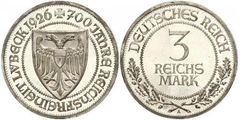
Germany-Rep. Weimar | 3 reichsmark (700 Years of Freedom for Lübeck)
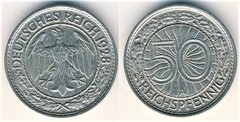
Germany-Rep. Weimar | 50 reichspfennig
Germany-Rep. Weimar | 5 reichsmark
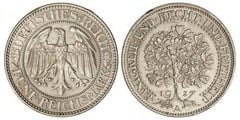
Germany-Rep. Weimar | 3 reichsmark (Gotthold Lessing 200th Anniversary)

Germany-Rep. Weimar | 3 reichsmark (10th Anniversary of the Weimar Constitution)

Germany-Rep. Weimar | 3 reichsmark
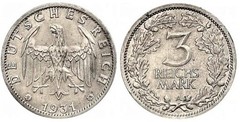
The most valuable and popular coins
The most valuable Germany-Rep. Weimar coins and sought after by collectors according to Foronum statistics are the following:

Germany's monetary history during the Weimar Republic (1918-1933) was marked by unprecedented hyperinflation and drastic changes in the monetary system. This turbulent period left an indelible mark on German and world numismatics.
Hyperinflation and its monetary consequences
After World War I, Germany faced a severe economic crisis that culminated in the hyperinflation of 1923. During this time, banknotes were issued in astronomical denominations, with one banknote of 100 billion marks being printed. Currency lost so much value that people used banknotes as wallpaper or fuel for stoves. This situation led to the introduction of the Rentenmark in November 1923, followed by the Reichsmark in 1924, temporarily stabilizing the economy.
Numismatics of the Weimar Republic
The numismatics of this period is fascinating and diverse. Commemorative coins such as the silver 3 Reichsmark were minted with historical and cultural motifs. Emergency coins (Notgeld) were also issued by cities and private companies due to the shortage of precious metals. These pieces, often made of unconventional materials such as porcelain or aluminum, are now highly sought-after collector's items. The design of the coins reflected the spirit of the times, with symbols of the republic and allegories of economic recovery, making them tangible testimonies to a tumultuous period in German history.
Germany-Rep. Weimar is a country that does not exist today. It is now part of the Germany old coins.