India-Princely States Coin List
Historical categories
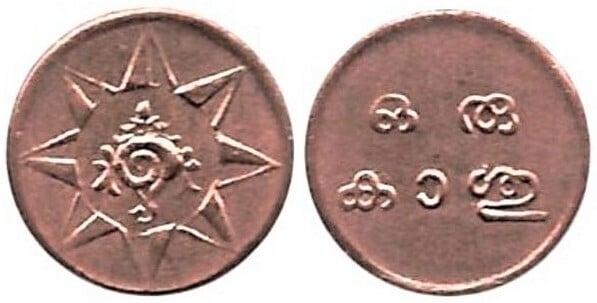
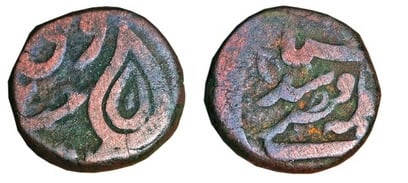
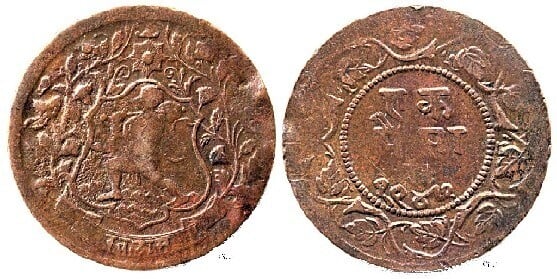
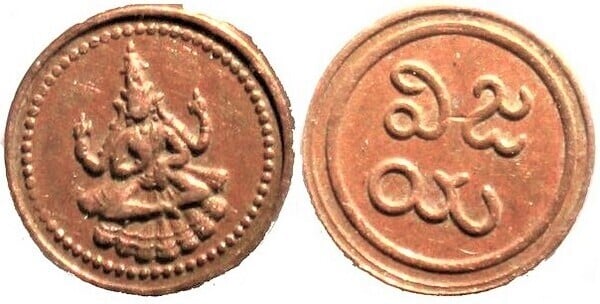
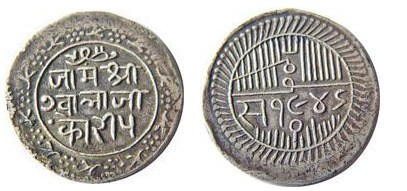
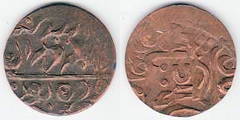
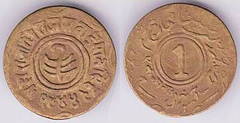
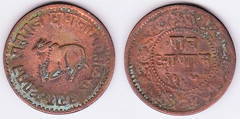
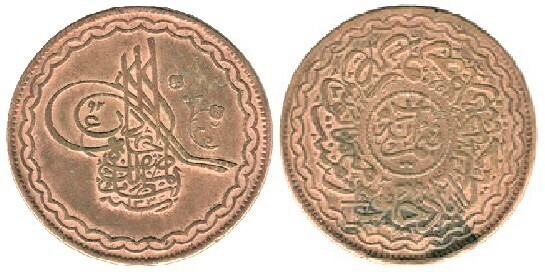
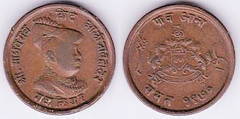
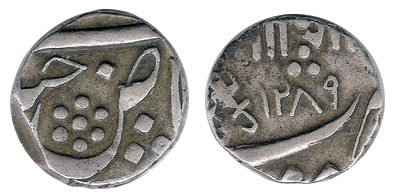
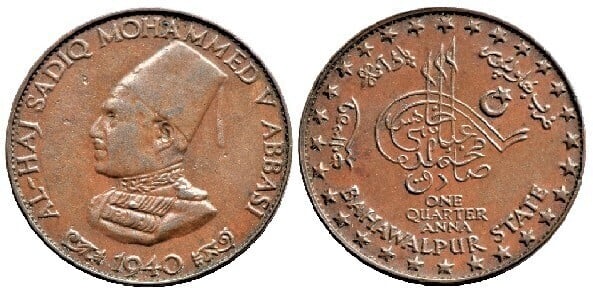
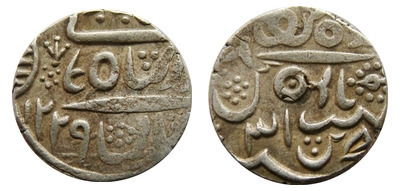
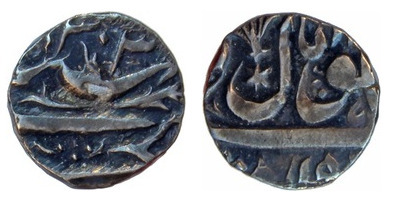
India-Princely States | 1 trambiyo (Nawanagar)
India-Princely States | 1 falus (Bahawalpur)
India-Princely States | ¼ anna (Bhopal)
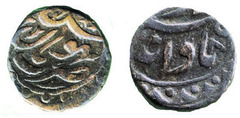
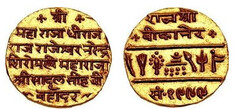
India-Princely States | 1 nazrana rupee (Bikaner-50 years of Maharaja Ganga Singh's reign)
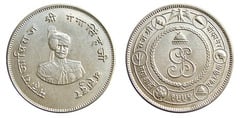
India-Princely States | 1 paisa (Baroda)
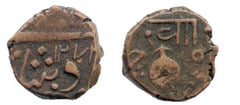
India-Princely States | 1/8 rupee (Mewar)
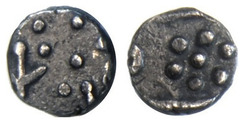
India-Princely States | 1 dokdo (Nawanagar)
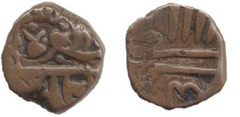
India-Princely States | 1 paisa (Bahawalpur)
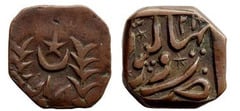
India-Princely States | 1 dokdo (Nawanagar)
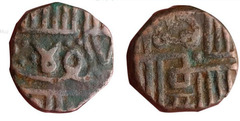
India-Princely States | 1 paisa (Bahawalpur)
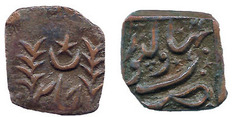
India-Princely States | 1 dokdo (Nawanagar)
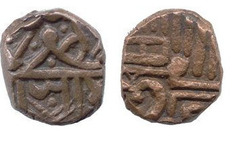
India-Princely States | 1 dhinglo (Nawanagar)
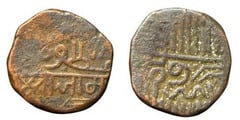
India-Princely States | 1/4 rupee (Mewar)
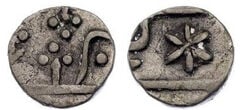
India-Princely States | 1 amman cash (Pudukottai)
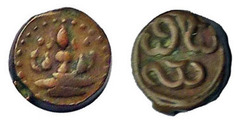
India-Princely States | 1 paisa (Bahawalpur)
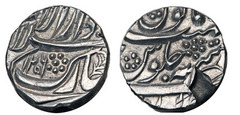
India-Princely States | 1 amman cash (Pudukottai)
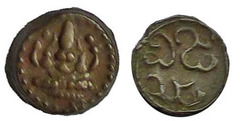
India-Princely States | 1 paisa (Bahawalpur)
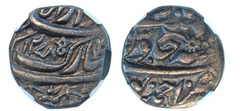
India-Princely States | 1 takka (Mewar)
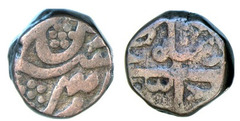
India-Princely States | 1 rupee (Gwalior)
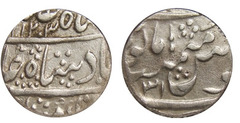
India-Princely States | 1/2 kori (Nawanagar)
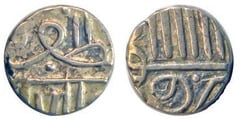
India-Princely States | 1/2 rupee (Baroda)
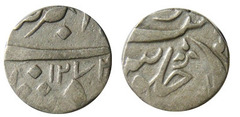
India-Princely States | ¼ anna (Bhopal)
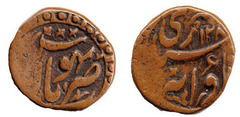
India-Princely States | 1/2 rupee (Mewar)
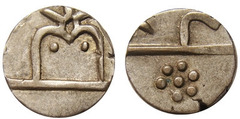
India-Princely States | 1 mohur (Bikaner)
India-Princely States | ¼ anna (Bhopal)
The most valuable and popular coins
The most valuable India-Princely States coins and sought after by collectors according to Foronum statistics are the following:

The monetary history of the Princely States of India is fascinating and complex, reflecting the diversity and autonomy of these semi-independent territories during the period of the British Raj. Until the mid-20th century, many of these states issued their own coins, creating a rich numismatic tapestry that attracts collectors and historians alike.
Monetary Diversity in the Princely States
Prior to the monetary unification of India in 1835, there was a wide variety of coins in circulation. Each princely state had the right to mint its own coinage, resulting in a wide range of designs, denominations and metals used. Some states, such as Hyderabad, maintained their own coins until after India's independence in 1947. The silver rupee was common in many states, but coins of gold, copper and other metals were also used.
Transition and numismatic legacy
The integration of the Princely States into independent India marked the end of most of these local coinages. However, the legacy of this period persists in the world of numismatics. Princely States coins are now highly valued collector's items, offering a unique window into the history and culture of these regions. Some of the most sought-after coins include those of the State of Jammu and Kashmir, known for their intricate designs, and Travancore gold mohurs, prized for their purity and rarity.
India-Princely States is a country that does not exist today. It is now part of the India old coins.