Gulden Coin List
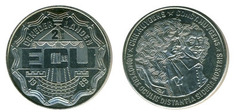
Netherlands | 2 1/2 ecu (Christiaan and Constantijn Huygens)
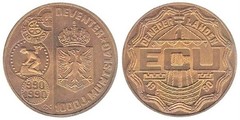
Netherlands | 1 ecu (1.000th Anniversary of the Deventer Mint)
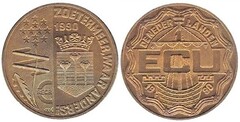
Netherlands | 1 ecu (City of Zoetermeer in South Holland)
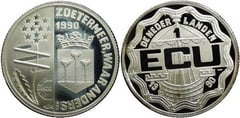
Netherlands | 1 ecu (City of Zoetermeer in South Holland)
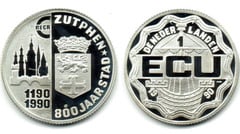
Netherlands | 1 ecu (800th Anniversary of the Charter of Zutphen)
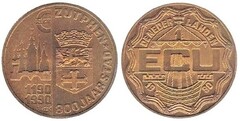
Netherlands | 1 ecu (800th anniversary of the Zutpher Charter)
Netherlands | 2 1/2 ecu (650th Anniversary of the birth of Deacon Geert Groote)

Netherlands | 10 ecu (650th Anniversary of the birth of Deacon Geert Groot)

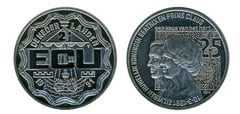
Netherlands | 2 1/2 ecu (25th wedding anniversary of Beatrix and Claus)
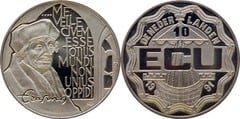
Netherlands | 2 1/2 ecu (Erasmus Rotterdam)
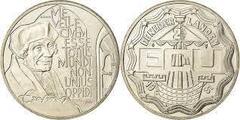
Netherlands | 10 ecu (Desiderius Erasmus of Rotterdam)
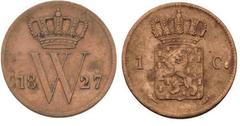
Netherlands | 1 cent
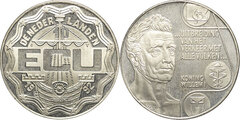
Netherlands | 10 ecu (King William I)
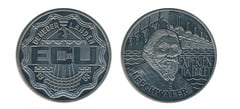
Netherlands | 2 1/2 ecu (Jan A. Leeghwater)
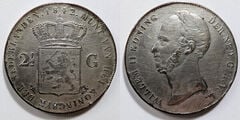
Netherlands | 2 1/2 gulden
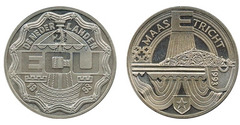
Netherlands | 2 1/2 ecu (Maastricht Treaty)
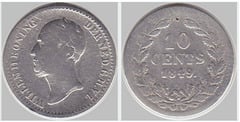
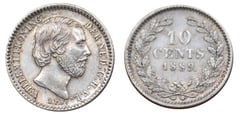
Netherlands | 10 cents
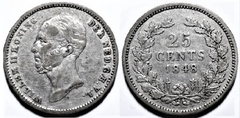
Netherlands | 25 cents
Netherlands | 10 céntimos Países Bajos Guillermo III
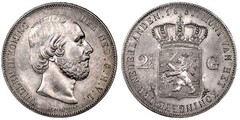
Netherlands | 2 1/2 gulden
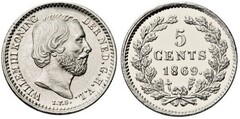
Netherlands | 5 cent
Netherlands | 1 cent
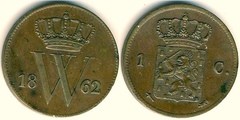
Netherlands | 1 cent
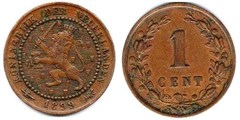
Netherlands | 1 cent
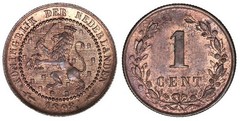
Netherlands | 2 1/2 cents
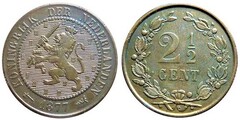
The most valuable and popular coins
The most valuable Gulden coins and sought after by collectors according to Foronum statistics are the following:

Historical information
The Dutch guilder, known as the gulden, was the official currency of the Netherlands from 1680 until 2002, when it was replaced by the euro. During its long history, the gulden underwent numerous changes in its design and composition, reflecting the political and economic evolution of the country.
History and evolution of the gulden
The gulden has its roots in the medieval gold florin, first minted in Florence in the 13th century. In the Netherlands, the gulden was established as the national currency in 1680, during the time of the Republic of the Seven United Netherlands. Over the centuries, the gulden went through several transformations, including changes in its value and metallic composition. During the 19th century, the gold standard was adopted, and the gulden remained a stable and respected currency in Europe. In the 20th century, especially after World War II, the gulden became a symbol of economic recovery and financial stability in the Netherlands.
Emblematic gulden coins
Throughout its history, the Dutch gulden featured a variety of emblematic coins. Among the most prominent were the 1 gulden coin with the portrait of Queen Wilhelmina, minted from 1898 to 1948, and the later version with the portrait of Queen Juliana. Another iconic coin was the 2.5 gulden "rijksdaalder", featuring the national coat of arms. In the decades leading up to the introduction of the euro, gulden coins underwent design changes, incorporating modern, minimalist motifs. The last series of coins, issued in the 1980s, included pieces of 1, 5, 10, 25 cents and 1, 2.5 and 5 gulden, each with distinctive designs reflecting aspects of Dutch culture and history. These coins circulated until the transition to the euro in 2002, marking the end of an era in the monetary history of the Netherlands.