Newfoundland Coin List
Newfoundland | 1 cent (Victoria)
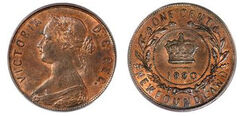
Newfoundland | 5 cents (Victoria)
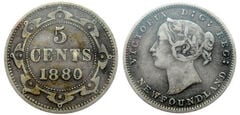
Newfoundland | 10 cents (Victoria)
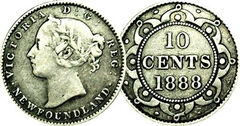
Newfoundland | 20 cents (Victoria)
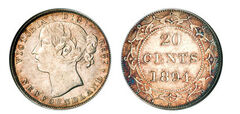
Newfoundland | 2 dollars (Victoria)
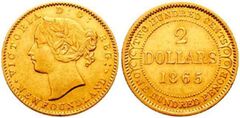
Newfoundland | 50 cents (Victoria)
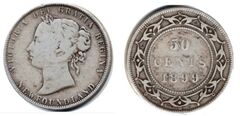
Newfoundland | 5 cents (Edward VII)
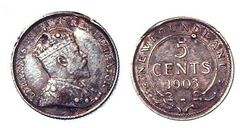
Newfoundland | 10 cents (Edward VII)
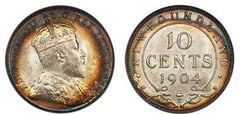
Newfoundland | 1 cent (Edward VII)
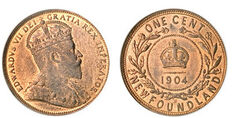
Newfoundland | 20 cents (Edward VII)
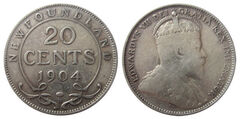
Newfoundland | 50 cents (Edward VII)

Newfoundland | 50 cents (George V)
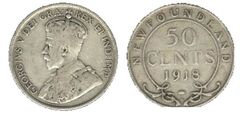
Newfoundland | 5 cents (George V)
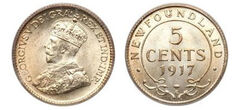
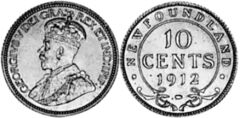
Newfoundland | 10 cents (George V)
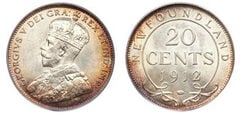
Newfoundland | 20 cents (George V)
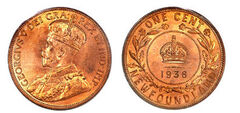
Newfoundland | 1 cent (George V)
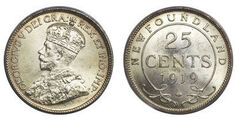
Newfoundland | 25 cents (George V)
Newfoundland | 1 cent (George VI)

Newfoundland | 5 cents (George VI)
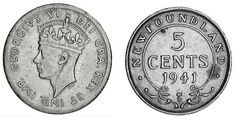
Newfoundland | 5 cents (George VI)
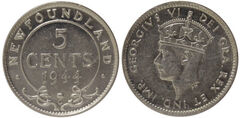
Newfoundland | 10 cents (George VI)
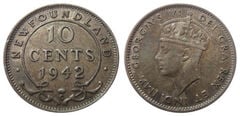
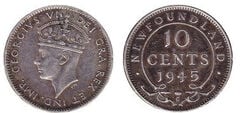
Newfoundland | 10 cents (George VI)
The most valuable and popular coins
The most valuable Newfoundland coins and sought after by collectors according to Foronum statistics are the following:

Newfoundland' s monetary history is fascinating and unique in North America. From its status as a British colony to its incorporation into Canada, Newfoundland maintained its own monetary system for centuries, reflecting its distinct identity and economic evolution.
Newfoundland Currency
Newfoundland used the Newfoundland dollar as its official currency from 1865 to 1949. This system was based on the gold standard and was divided into 100 cents. Coins minted included denominations of 1, 5, 10, 10, 20 and 50 cents, as well as $2 gold coins. The designs on these coins often featured local symbols such as cod, seal and cranberry, reflecting the island's culture and economy.
Numismatic milestones
Among the most significant milestones in Newfoundland numismatics was the 1880 issue, which included the first $2 gold coin, considered one of the rarest and most valuable in North America. Another significant event was the 1943 emergency mintage, when 5-cent coins were produced in tombac due to nickel shortages during World War II. In 1949, with confederation with Canada, Newfoundland adopted the Canadian dollar, marking the end of its independent monetary system and turning its coins into highly prized collector's items.
Newfoundland is a country that does not exist today. It is now part of the Canada old coins.