Appenzell Coin List
Swiss cantons | 1/2 batzen / 5 rappen
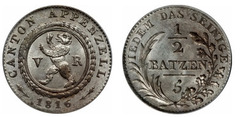
Swiss cantons | 1 batzen / 10 rappen
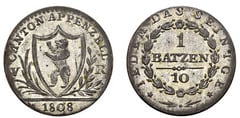
Swiss cantons | 1/2 franken
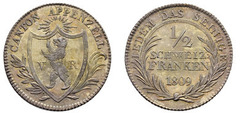
Swiss cantons | 2 franken
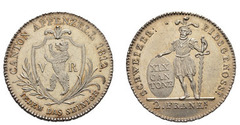
Swiss cantons | 4 franken
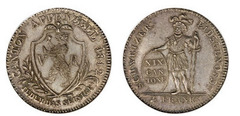
Swiss cantons | 1 kreuzer
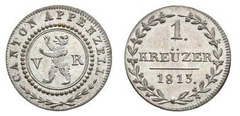
Swiss cantons | 1 pfennig
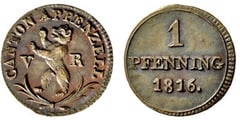
Swiss cantons | 4 franken
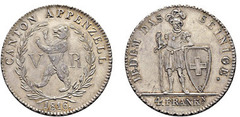
Swiss cantons | 1 heller
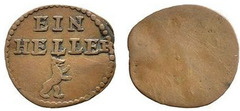
Swiss cantons | 1 pfennig
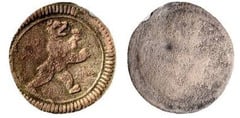
Swiss cantons | 1 pfennig
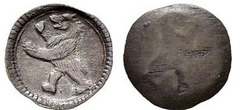
Swiss cantons | 2 pfennig
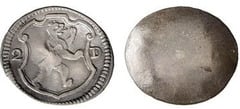
Swiss cantons | 2 pfennig
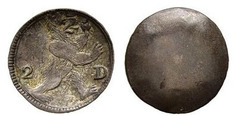
Swiss cantons | 1/2 kreutzer
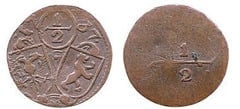
Swiss cantons | 1 kreuzer
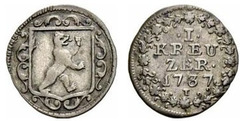
Swiss cantons | 1 ducat
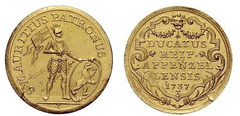
Swiss cantons | 6 kreuzer
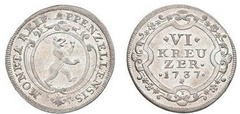
Swiss cantons | 1 bluzger
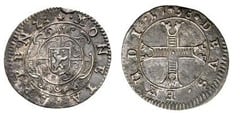
Swiss cantons | 1 bluzger
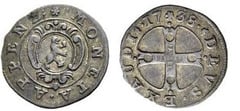
Swiss cantons | 1 kreuzer
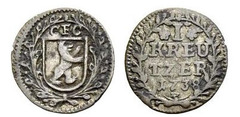
Swiss cantons | 3 kreutzer
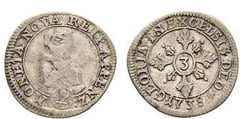
Swiss cantons | 6 kreuzer
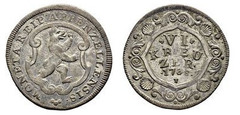
Swiss cantons | 15 kreutzer
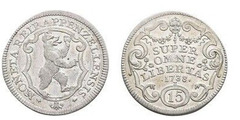
Swiss cantons | 15 kreutzer
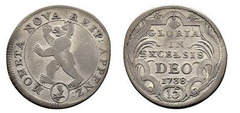
Swiss cantons | 1/2 batzen
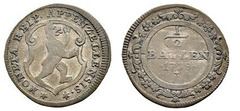
The most valuable and popular coins
The most valuable Appenzell coins and sought after by collectors according to Foronum statistics are the following:

Historical information
The monetary history of Appenzell reflects the complex political and economic evolution of this Swiss canton. From its independence in 1513 to the present day, Appenzell has undergone several changes in its monetary system, influenced by its peculiar division into two semi-cantons and its relationship with the Swiss Confederation.
First mints and monetary autonomy
After gaining its independence, Appenzell began minting its own coins as a symbol of sovereignty. The first issues, mainly in silver, included thalers and batzens with designs depicting the canton's coat of arms: an upright black bear. The quality and purity of these coins varied, reflecting the economic and political fluctuations of the region. As Appenzell split into the semi-cantons of Appenzell Inner Rhodes and Appenzell Outer Rhodes in 1597, each maintained some autonomy in minting, albeit with increasing coordination with the confederated monetary system.
Transition to the Swiss franc and numismatic legacy
With the formation of the Swiss federal state in 1848, Appenzell, like other cantons, ceded its minting rights to the central government. The introduction of the Swiss franc as the national currency in 1850 marked the end of Appenzell's local issues. However, the canton's numismatic legacy endured in commemorative coins and medals that continued to celebrate local history and culture. These pieces, highly valued by collectors, often feature traditional motifs such as typical Appenzell dress or pastoral scenes. Today, Appenzell's ancient coins are tangible testimonies to Switzerland's rich monetary history, offering a unique window into the economic and political evolution of this fascinating Alpine canton.