
Schaffhausen Coin List
Swiss cantons | 4 heller / 1 vierer (City of Reichsthaler )
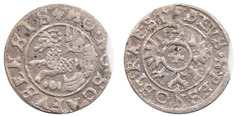
Swiss cantons | 3 kreuzers / 1 groschen (City of Guldenthaler)
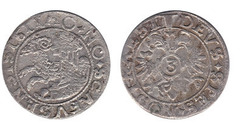
Swiss cantons | 1 dicken (City of Reichsthaler )
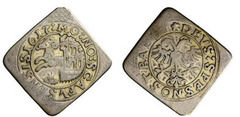
Swiss cantons | 3 kreuzers / 1 groschen (City of Reichsthaler )
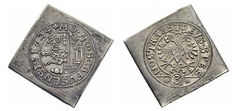
Swiss cantons | 1 kreuzer
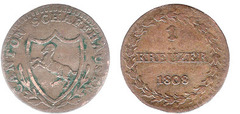
Swiss cantons | 1/2 batzen
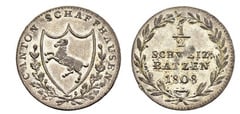
Swiss cantons | 1 batzen
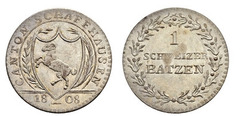
Swiss cantons | 1/2 batzen
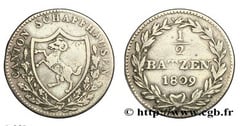
Swiss cantons | 1 batzen
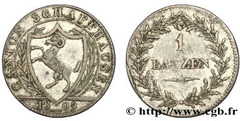
The most valuable and popular coins
The most valuable Schaffhausen coins and sought after by collectors according to Foronum statistics are the following:

Historical information
The city of Schaffhausen, located in the Swiss canton of the same name, has a rich numismatic history dating back to the Middle Ages. As part of the Swiss Confederation, Schaffhausen minted its own coins for centuries, reflecting its autonomy and economic prosperity.
Monetary history of Schaffhausen
Coin minting in Schaffhausen began in the 12th century, when the city obtained the right of minting from the Holy Roman Empire. The first silver pfennigs were issued around 1170, showing simple designs with crosses and religious symbols. Over the centuries, the city continued to produce a variety of denominations, including kreuzer, batzen and taler. The most famous coin of Schaffhausen is the "Schaffhauser Dicken", a large silver coin minted in the 16th century, bearing the city's coat of arms: a ram leaping from a building, symbolizing the city's name ("Schaf" means sheep in German).
Numismatic importance and collecting
Schaffhausen coins are highly valued by collectors due to their rarity and historical significance. The most important period for Schaffhausen numismatics was between the 16th and 18th centuries, when the city produced a wide range of high-quality coins. These pieces not only served as a medium of exchange, but also reflected the canton's identity and autonomy within the Swiss Confederation. Many of these coins feature intricate designs and Latin legends, offering a fascinating window into the culture and politics of the time. Coin production in Schaffhausen continued until 1848, when the centralization of the Swiss monetary system brought an end to cantonal coinage, marking the end of an era rich in numismatic history.