
Schwyz Coin List
Swiss cantons | 1 ducat (Abbey of Einsiedeln (Schwyz)
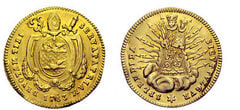
Swiss cantons | 1 schilling
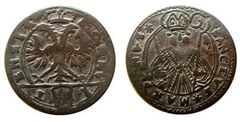
Swiss cantons | 1 ducatus
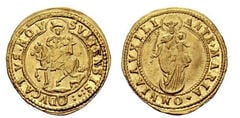
Swiss cantons | 1 batzen
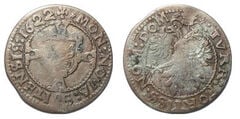
Swiss cantons | 1 batzen
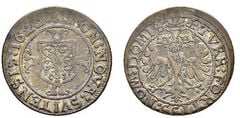
Swiss cantons | 1 batzen
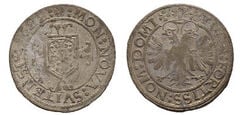
Swiss cantons | 1 schilling
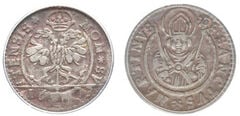
Swiss cantons | 1 batzen
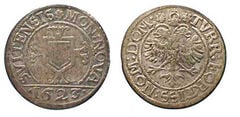
Swiss cantons | 1 batzen
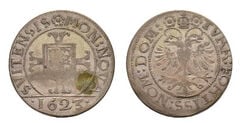
Swiss cantons | 1 batzen
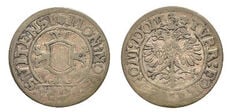
Swiss cantons | 1 dicken
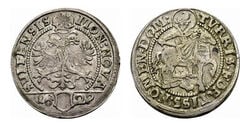
Swiss cantons | 1 batzen
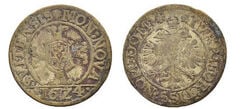
Swiss cantons | 1 dicken
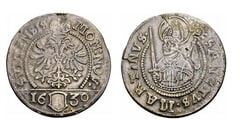
Swiss cantons | 1 thaler
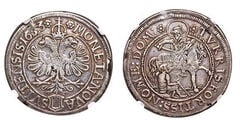
Swiss cantons | 1/2 thaler
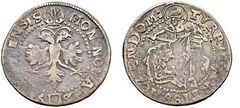
Swiss cantons | 4 batzens (Örtli)
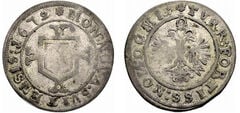
Swiss cantons | 4 batzens (Örtli)
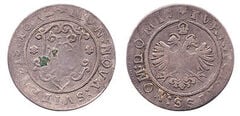
Swiss cantons | 4 batzens (Örtli)
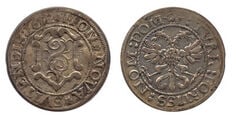
Swiss cantons | 1 schilling
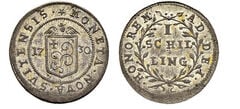
Swiss cantons | 20 kreuzer
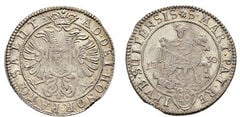
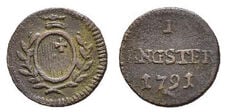
Swiss cantons | 1 angster
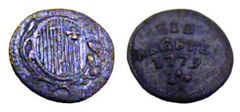
Swiss cantons | 1 rapen
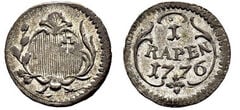
Swiss cantons | 1 rapen
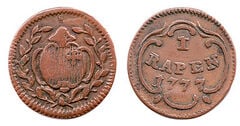
Swiss cantons | 1 ducatus
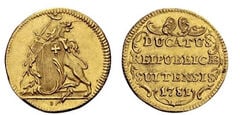
Swiss cantons | 1 angster
The most valuable and popular coins
The most valuable Schwyz coins and sought after by collectors according to Foronum statistics are the following:

Historical information
The canton of Schwyz played a key role in the formation of the Swiss Confederation and the development of its monetary system. Located in the heart of Switzerland, Schwyz was one of the three original cantons that formed the alliance that would give birth to the Swiss nation. Its numismatic history reflects the political and economic evolution of the region from the Middle Ages to the modern era.
Origins and monetary development
The first coins minted in Schwyz date back to the 14th century, when the canton began to exercise its minting rights as part of its privileges within the Holy Roman Empire. Initially, these coins were silver pfennigs that followed the standard of neighboring German cities. Over time, Schwyz expanded its monetary repertoire to include schillings and talers, reflecting its growing economic and political importance. The iconography of these coins often featured the Swiss cross and the canton's coat of arms, symbolizing its unique identity and commitment to the budding confederation.
Influence on the Swiss monetary system.
Schwyz's role in the evolution of the Swiss monetary system was significant. Along with other cantons, it participated in inter-cantonal monetary agreements that sought to standardize the value and quality of coins in circulation. These efforts culminated in the 19th century with the creation of the Swiss franc, a unified currency for the entire confederation. Although Schwyz lost its individual minting rights, its numismatic legacy lived on in the new national currency. Historic Schwyz coins are now highly valued collector's items, offering a unique window into Switzerland's rich monetary and political history.