Unterwalden Coin List
Swiss cantons | 1 rappen
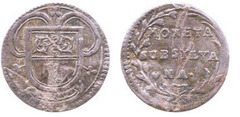
Swiss cantons | 1 kreuzer
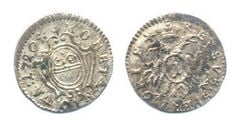
Swiss cantons | 20 kreuzer
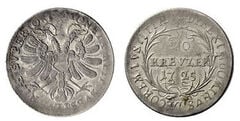
Swiss cantons | 20 kreuzer
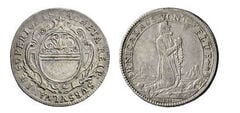
Swiss cantons | 30 kreuzer
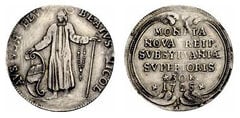
Swiss cantons | 1/2 batzen
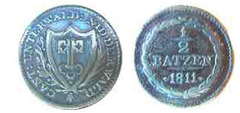
Swiss cantons | 3 kreuzers
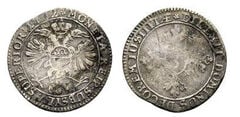
Swiss cantons | 1 batzen
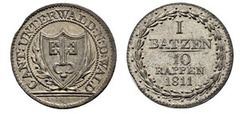
Swiss cantons | 20 kreuzer
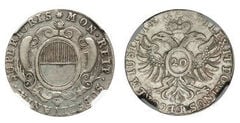
Swiss cantons | 5 batzen
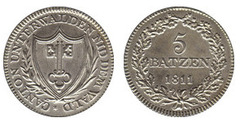
Swiss cantons | 20 kreuzer
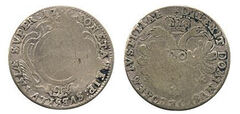
Swiss cantons | 1/2 batzen
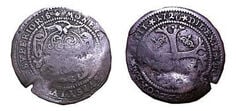
Swiss cantons | 1 ducat
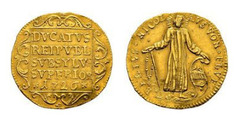
Swiss cantons | 1 ducat
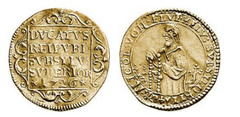
Swiss cantons | 1 assis
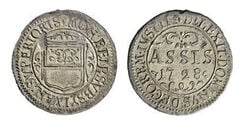
Swiss cantons | 1/2 thaler
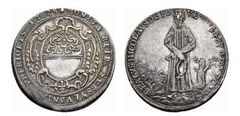
Swiss cantons | 1 kreuzer
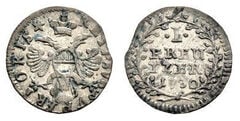
Swiss cantons | 1 kreuzer
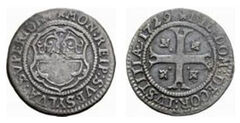
Swiss cantons | 1/2 kreuzer
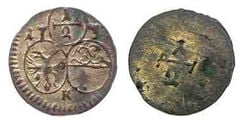
Swiss cantons | 1 ducat
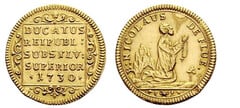
Swiss cantons | 20 kreuzer
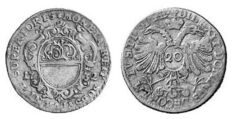
Swiss cantons | 1/2 thaler
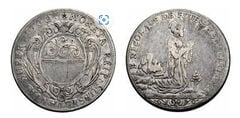
Swiss cantons | 1 thaler
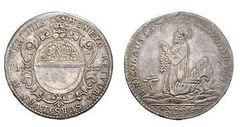
Swiss cantons | 1 ducat
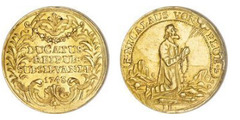
Swiss cantons | 1 ducat
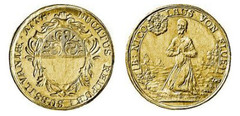
The most valuable and popular coins
The most valuable Unterwalden coins and sought after by collectors according to Foronum statistics are the following:

Historical information
Unterwalden, one of the original cantons of Switzerland, played a crucial role in the formation of the Swiss Confederation. Its history dates back to the 13th century, when it joined with Uri and Schwyz to form the alliance that would lay the foundations of the future Swiss nation. Unterwalden's numismatics reflect its rich history and its evolution as an independent canton.
History and development of Unterwalden
Unterwalden, divided into Obwalden and Nidwalden, was characterized by its strong spirit of independence and self-government. Throughout the centuries, the canton maintained its autonomy in the face of external pressures, actively participating in the decisions of the Confederation. Unterwalden's economy was based mainly on agriculture and animal husbandry, with increasing development of trade as links with other cantons were strengthened. This economic and political evolution was reflected in its coinage, which evolved from simple local exchange pieces to coins recognized throughout the region.
Unterwalden Coins: Testimony of its sovereignty
Unterwalden coins are valuable testimonies to the history and identity of the canton. Initially, the canton used coins minted by other entities, but from the 16th century onwards it began to issue its own coins. The "Batzen" and "Schilling" of Unterwalden became symbols of its monetary autonomy. These coins usually bore the canton's coat of arms, depicting a double key on a red background, symbolizing the union of Obwalden and Nidwalden. The quality and design of these coins improved over time, reflecting the growing prosperity and sophistication of Unterwalden. Unterwalden's numismatics are not only a record of economic transactions, but also a testimony to its political and cultural evolution within the Swiss Confederation.