Uri Coin List
Swiss cantons | 1 schilling
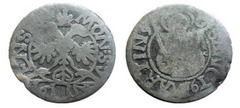
Swiss cantons | 1 batzen
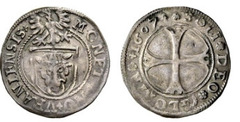
Swiss cantons | 1 dicken
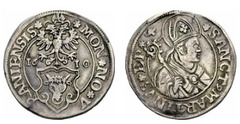
Swiss cantons | 1 dicken
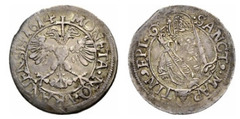
Swiss cantons | 1 dicken
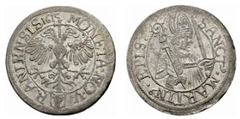
Swiss cantons | 1 dicken
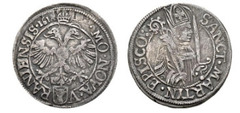
Swiss cantons | 1 batzen
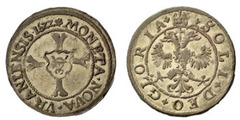
Swiss cantons | 1 kreuzer
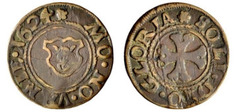
Swiss cantons | 1 schilling
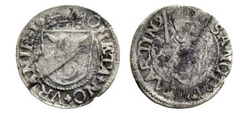
Swiss cantons | 1 schilling
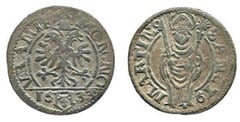
Swiss cantons | 1 batzen
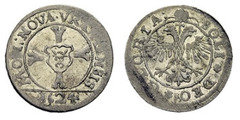
Swiss cantons | 1 batzen
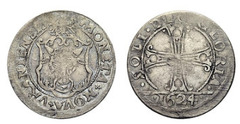
Swiss cantons | 1 pistole
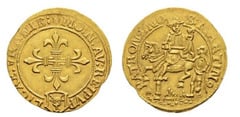
Swiss cantons | 1 ducat (Commercial Currency)
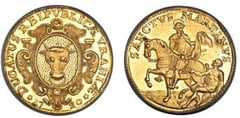
Swiss cantons | 1 ducat (Commercial Currency)
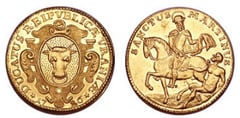
Swiss cantons | 1 rappen
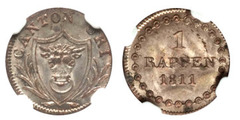
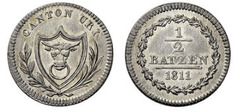
Swiss cantons | 1/2 batzen
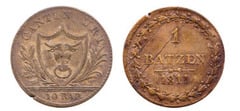
Swiss cantons | 1 batzen
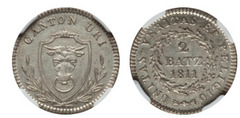
Swiss cantons | 2 batzen
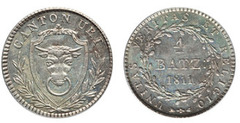
Swiss cantons | 4 batzen
The most valuable and popular coins
The most valuable Uri coins and sought after by collectors according to Foronum statistics are the following:

Historical information
The canton of Uri, one of the founding members of the Swiss Confederation, has a rich numismatic history dating back to the Middle Ages. Located in the heart of the Swiss Alps, Uri played a crucial role in the economic and political development of the region, which is reflected in its coinage.
History and political context
Uri joined the Swiss Confederation in 1291, along with Schwyz and Unterwalden, forming the basis of what would later become Switzerland. Over the following centuries, Uri maintained considerable autonomy, including the right to mint its own coins. This privilege was fundamental to the assertion of its sovereignty and the development of its local economy. Uri's strategic position on the Gotthard Pass route gave it significant commercial importance, influencing its monetary policies and coin designs.
Coins of Uri
Uri coins are tangible witnesses to its history and autonomy. Among the most notable mintages are the "Batzen", silver coins that began to be produced in the 16th century and continued until the 19th century. These coins often featured Uri's coat of arms, which shows the head of a black bull on a yellow background. In addition, Uri minted "Schilling" and "Rappen," which were smaller denominations used in everyday trade. The quality and precious metal content of these coins varied over time, reflecting the economic and political fluctuations of the canton. Coin production in Uri ceased in 1850 with the introduction of the Swiss franc as the unified national currency, marking the end of an era of monetary diversity in the Swiss cantons.